Medical devices that handle liquids require carefully designed plastic and rubber components. Connectors, manifolds, fluid housings, tubing interfaces, and sealing elements must work together to maintain reliable fluid pathways and meet the requirements of their intended applications.
For medical device manufacturers, selecting a suitable medical plastic moulding process is only one part of component development. Engineers must also consider sealing structures, material compatibility, dimensional tolerances, and assembly methods.
In applications involving flexible seals or silicone components, medical rubber molding may complement plastic injection molding to create functional assemblies. Understanding how these manufacturing processes work together helps OEM companies develop more practical and manufacturable medical components.
Medical fluid-handling components often combine complex geometries with strict functional requirements.
Unlike ordinary plastic housings, these components may need to maintain a controlled fluid pathway while connecting to tubes, syringes, valves, or other medical device components.
Several engineering considerations are particularly important.
Dimensional accuracy: Connector interfaces must match the corresponding tubing or mating components. Dimensional variation may affect assembly and sealing.
Fluid compatibility: Materials must be evaluated against the liquids they contact, including their chemical properties and intended contact duration.
Structural integrity: Thin walls, internal channels, and connection points must withstand the mechanical loads expected during use.
Cleanliness: Manufacturing, handling, and packaging conditions should reflect the intended medical application and contamination-control requirements.
For example, a molded fluid connector may have acceptable external dimensions but still fail functional testing because its internal passage or sealing interface is incorrectly formed.
This is why medical component design should consider manufacturing and final assembly requirements from the beginning.
Connector geometry and sealing structures should be considered together during product development.
A plastic connector may use a tapered interface, threaded connection, snap-fit feature, or another design depending on its intended application.
When designing these components, engineers should evaluate several factors.
Significant wall-thickness variations may contribute to uneven cooling, sink marks, or dimensional distortion. A balanced design can make the molding process easier to control.
Mating surfaces should be designed according to the applicable interface specifications. For medical fluid connectors, relevant standards may define specific dimensional and performance requirements.
Seals may rely on compression, interference, an elastomeric gasket, or another validated design. The sealing mechanism should match the intended pressure, fluid, and operating conditions.
The plastic component and its mating parts must be designed with appropriate tolerance considerations. A connector that is too loose may leak, while excessive interference may cause assembly difficulties or damage.
For manufacturers providing medical plastic moulding, reviewing these features during mold design can help identify potential manufacturing problems before production tooling is finalized.

Material selection is an important part of medical component engineering because plastic housings and rubber seals may have different functional requirements.
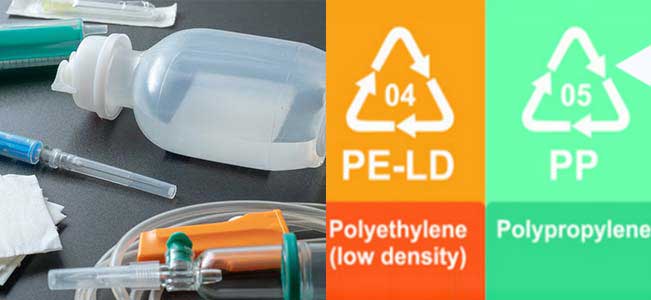
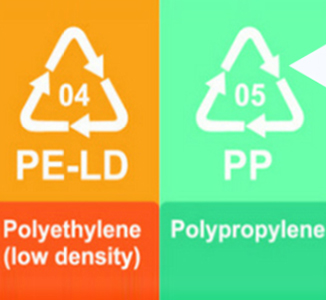
Common engineering polymers include polypropylene (PP), polycarbonate (PC), polyethylene (PE), and other application-specific materials.
Their suitability depends on mechanical strength, chemical resistance, transparency, sterilization compatibility, and intended contact conditions.
Silicone rubber is used in selected medical applications because of its flexibility and ability to form elastic sealing components.
Depending on the formulation and application, silicone may be considered for gaskets, sealing elements, flexible interfaces, and other components requiring elastic deformation.
Other rubber materials may also be considered depending on chemical exposure, compression requirements, temperature, and device functionality.
| Component | Possible Material Category | Main Selection Consideration |
|---|---|---|
| Fluid housing | PP, PC and other polymers | Structural strength and chemical compatibility |
| Tubing connector | Application-specific thermoplastics | Dimensional stability and interface compatibility |
| Flexible seal | Silicone rubber or other elastomers | Elasticity and sealing performance |
| Protective cover | Medical application-specific polymers | Mechanical protection and material compatibility |
Material selection should be supported by appropriate technical documentation and testing. A material described as medical grade is not automatically suitable for every medical application.
Many medical fluid-handling products require more than one molded component.
Secondary processing may be needed to join plastic parts, secure internal components, or assemble plastic and elastomeric elements.
Ultrasonic welding uses high-frequency mechanical vibrations to create a bond between compatible thermoplastic components.
It can be considered for plastic housings and certain fluid-related assemblies. Joint geometry, material compatibility, and process parameters should be evaluated before production.
Heat staking uses controlled heat to deform a thermoplastic feature and mechanically secure another component.
It may be suitable for fastening applications where the design requires a permanent mechanical connection.
In assemblies involving flexible seals, molded silicone components may be integrated through mechanical retention, compression, or other suitable assembly methods.
The appropriate approach depends on the component design and material combination.
Packson offers plastic injection molding, silicone molding, ultrasonic welding, and heat staking capabilities. These services can support OEM projects that require coordinated component manufacturing and assembly.
A molded component that passes dimensional inspection does not automatically guarantee that the completed assembly will meet its functional requirements.
For fluid-handling products, leakage risks should be evaluated at both the component and assembly levels.
Important verification activities may include:
Dimensional inspection: Confirm critical connector and sealing dimensions.
Assembly evaluation: Check whether components fit together according to the approved design.
Leakage testing: Use a defined test method appropriate to the device's intended operating conditions.
Material verification: Confirm that production materials match the approved specifications.
Process documentation: Maintain relevant manufacturing and inspection records.
The test method and acceptance criteria should be established according to the product's intended use, applicable standards, and customer requirements.
For OEM buyers, it is useful to provide the manufacturer with component drawings, mating-part specifications, material requirements, and expected production volumes during the quotation stage.
Packson supports customized medical plastic and silicone component manufacturing. Its engineering and secondary processing capabilities can help customers evaluate manufacturability and assembly requirements before moving into production.
Developing reliable medical fluid-handling components requires coordinated consideration of plastic molding, rubber sealing, material compatibility, connector dimensions, and assembly methods.
Medical plastic moulding provides the structural components, while medical rubber molding can support flexible sealing and interface requirements in suitable applications.
For medical device OEMs, reviewing the complete component assembly rather than evaluating individual molded parts alone can help reduce design and manufacturing risks.
Packson provides customized plastic injection molding, silicone molding, mold development, and secondary processing services for medical manufacturing projects. Contact its engineering team with your drawings, material specifications, sealing requirements, and production plans to discuss a suitable manufacturing solution.
Medical rubber molding is used to manufacture elastomeric components such as seals, gaskets, flexible interfaces, and other rubber parts for medical devices. The material and process should be selected according to the component's intended function and applicable requirements.
Medical plastic moulding generally produces rigid or semi-rigid thermoplastic components, while medical rubber molding produces elastomeric components that can provide flexibility, compression, and sealing functions. Some medical assemblies require both processes.
Common materials include PP, PC, PE, and application-specific silicone or elastomers. Selection depends on fluid compatibility, mechanical requirements, sterilization conditions, and the intended medical application.
Manufacturers should evaluate connector geometry, sealing structures, dimensional tolerances, material compatibility, and assembly processes. Appropriate leakage testing should be established according to the product's intended operating conditions.
Yes. Some projects use molded thermoplastic housings together with silicone sealing components. The design must account for material compatibility, component retention, assembly tolerances, and the required validation activities.

Contact Us

 English
 日本語
 Deutsch
 Español