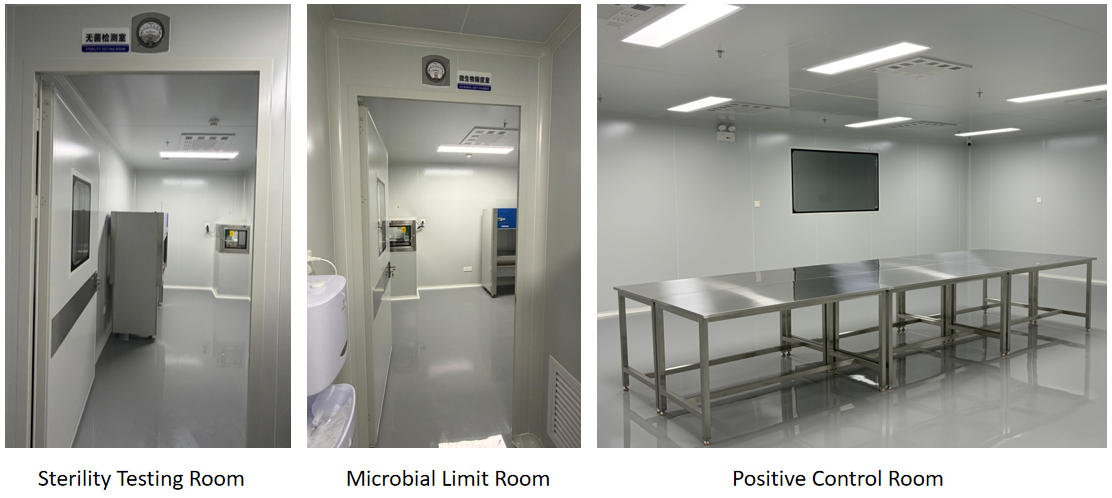
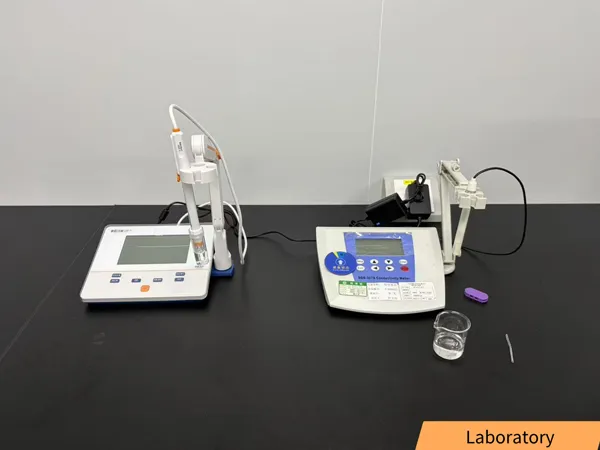
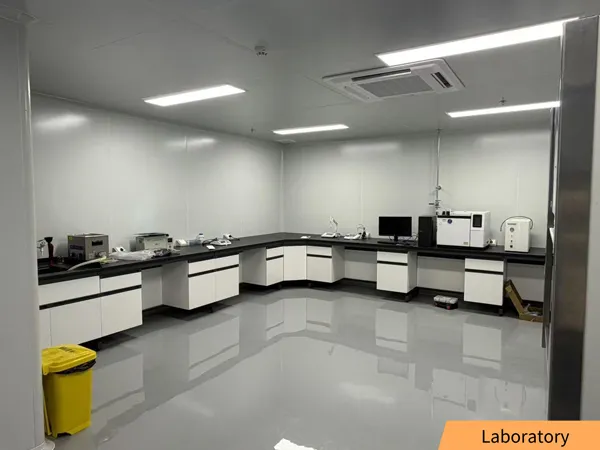
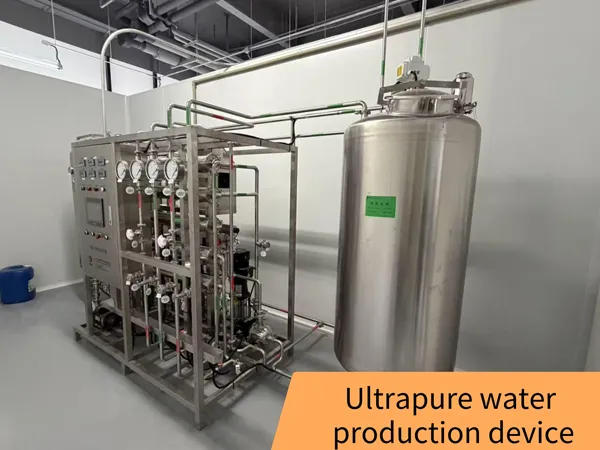
Packson’s laboratory is an innovative enterprise located in Shenzhen, China, focused on serving the pharmaceutical and medical industries. The laboratory boasts a professional team dedicated to the research and development of medical consumables, along with extensive industry experience.
Core Technologies and Facilities
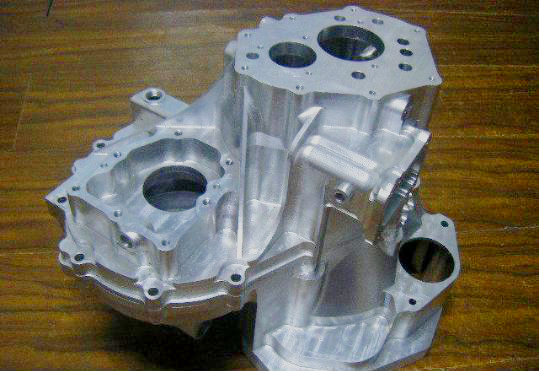
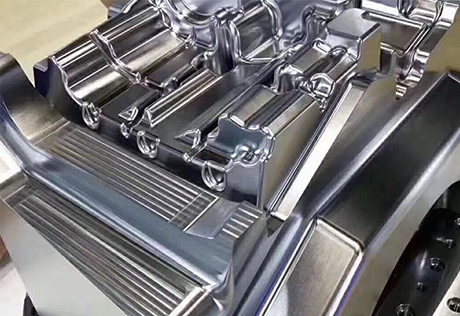
Technological Advantage: Packson possesses expertise in injection molding, machining, high-precision assembly, and sealing technologies, providing a complete closed-loop solution for medical device products.
New Facility: By 2025, Packson plans to complete its new facility located in the Shenzhen Pingshan Biopharmaceutical Industrial Park, featuring 1,600 square meters of office space, including a 500-square-meter GMP-class cleanroom and a 300-square-meter laboratory.
Products and Services
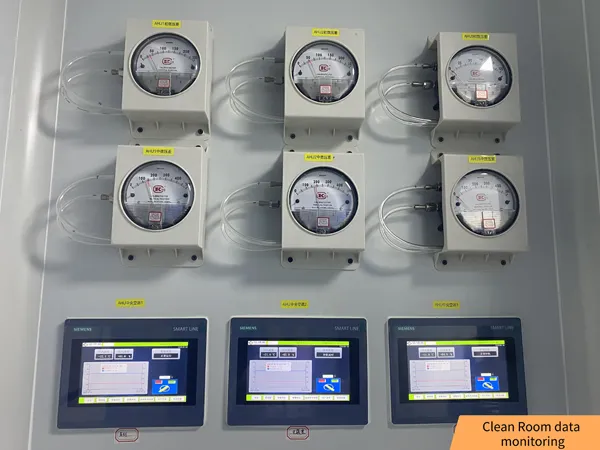
Cleanroom Production: The company specializes in the production of finished and semi-finished medical device components in a cleanroom environment that meets ISO 14644-1 class 7 standards.
R&D and Registration Services: Packson focuses on developing drug delivery systems and medical consumables, supporting the registration and manufacturing services for medical devices.
Team and Experience
Packson's technical team has over 10 years of experience in medical device development, concentrating on Class II drug delivery devices, Class III interventional devices, and orthopedic instrument development. The company also offers OEM services tailored to client design specifications and clinical needs.
Quality Management
Packson’s quality management system is certified to ISO 13485:2016, ensuring high standards for product and service quality. The company is committed to growing alongside its clients by providing mature solutions.
Environmental Cleanliness Testing:
Environmental Cleanliness Testing:
1.Settled Bacteria
2.Suspended Particles
3.Air Velocity
4.Air Change Rate
Purified Water Testing/Microbial Testing:
1.Initial Contaminating Bacteria
2.Sterility Check
3.Bacterial Endotoxins
4.Strain Revitalization and Passaging
Routine Physical and Chemical Experiments:
Physical Properties:
1.Appearance
2.Dimensions
3.Tensile Strength
Chemical Properties:
1.Extractable Metal Content
2.pH Level
3.Easily Oxidizable Substances
4.Ethylene Oxide Residuals
Environmental Cleanliness Testing
Settled Bacteria
In Packson's laboratory, testing for settled bacteria is critical. This test evaluates the number of bacteria that have settled on specific surfaces, ensuring the hygiene and safety of the production environment. By collecting samples to assess the level of settled bacteria, the laboratory can reduce infection risks and ensure product quality meets industry standards.
Suspended Particles
Suspended particles refer to tiny solid or liquid particles dispersed in the air, which may include dust and other pollutants. Monitoring the concentration of suspended particles in Packson's cleanroom is a key step in ensuring air quality. By controlling the levels of suspended particles, the laboratory can maintain a clean environment that meets ISO 14644-1 Class 7 standards, thereby ensuring the safety and efficacy of medical devices.
Air Velocity
Measuring air velocity helps assess the efficiency of air movement within the laboratory. Packson optimizes air velocity to ensure effective air circulation, preventing the accumulation of contaminants. This is crucial for maintaining cleanliness in the cleanroom, especially during the production of high-precision medical devices, as proper airflow can help dilute and remove potential pollutants.
Air Change Rate
The air change rate refers to the number of times the air within the laboratory is replaced with fresh air within a specific time frame. In Packson's laboratory, maintaining an appropriate air change rate is essential for ensuring air quality and cleanliness. A higher air change rate effectively removes contaminants, ensuring that the production environment complies with strict hygiene standards, which supports the research and manufacturing of medical devices.
Purified Water Testing
Initial Contaminating Bacteria
This test aims to identify any bacteria present in the purified water before any treatment or filtration processes. It is crucial for ensuring that the water meets the required quality standards for use in pharmaceutical and medical applications. Detecting initial contaminating bacteria helps assess the effectiveness of purification methods and ensures that the water is safe for further use.
Sterility Check
A sterility check is performed to confirm that the purified water is free from any viable microorganisms. This is particularly important in environments where sterile conditions are essential, such as in the production of medical devices and pharmaceuticals. The sterility test ensures that the water does not pose any risk of contamination during manufacturing processes.
Bacterial Endotoxins
Bacterial endotoxins are toxic substances found in the outer membrane of certain bacteria. Testing for bacterial endotoxins in purified water is critical, especially in the pharmaceutical industry, as these endotoxins can cause severe reactions in humans. This test ensures that the water used in medical applications is free from these harmful substances, maintaining patient safety.
Strain Revitalization and Passaging
This process involves revitalizing bacterial strains that may be used for testing or production purposes. In the context of purified water testing, it ensures that any microbial testing conducted is done with viable and active strains. Passaging refers to the transfer of these strains to new growth media to maintain their viability and ensure accurate testing results. This step is essential for conducting reliable microbial testing and ensuring the integrity of the testing process.
Routine Physical and Chemical Experiments
Appearance
The appearance test involves evaluating the visual characteristics of the sample, including color, gloss, and surface smoothness. By observing the appearance, the laboratory can make a preliminary judgment about the quality and suitability of the material. For products such as medical devices and pharmaceuticals, appearance is an important factor in ensuring that they meet standards and consumer expectations.
Dimensions
Dimension measurement involves accurately measuring the physical dimensions of the sample, including length, width, height, and diameter. This test is crucial for ensuring that the product meets design specifications, especially in the production of medical devices, where precise dimensions can impact the functionality and safety of the product.
Tensile Strength
Tensile strength testing is used to assess the strength and ductility of materials under stress. This test determines the breaking point and yield point of the material by applying tensile force, helping the laboratory understand how the material will perform in practical applications. For medical devices and other critical products, ensuring that materials have sufficient tensile strength is vital for preventing failures and ensuring safety.
Chemical Properties
Extractable Metal Content
This test aims to measure the content of metal elements that can be extracted from the material. This testing is crucial for ensuring the safety and compliance of materials, especially in the production of medical devices and pharmaceuticals. Excessive metal content may pose health risks, so understanding the levels of extractable metals can help assess the safety of the materials.
PH Level
The pH level test is used to measure the acidity or alkalinity of a sample. This parameter is vital for many chemical reactions and biological processes. In pharmaceuticals and medical devices, maintaining an appropriate pH range can affect the stability, solubility, and biocompatibility of the products. Therefore, ensuring that the pH level is within a safe and effective range is essential.
Easily Oxidizable Substances
This test is used to identify substances in the material that are easily oxidized. These substances may lead to instability or degradation under certain conditions, affecting the performance and safety of the products. In the pharmaceutical and medical fields, understanding the presence of these substances helps ensure the quality and long-term stability of the products.
Ethylene Oxide Residuals
Testing for ethylene oxide residuals assesses the chemical substances that may remain in products after using ethylene oxide as a sterilant. Ethylene oxide is a common disinfectant, but its residues may pose health risks. Therefore, detecting the levels of these residues is crucial for ensuring the safety of medical devices and pharmaceuticals.
 English
  日本語
日本語  Deutsch
  Español