Medical grade silicone injection molding is a specialized process designed to produce high-quality silicone components for the healthcare industry. Its unique material properties and precise molding capabilities make it ideal for a variety of critical medical applications. This article explores the key scenarios where medical grade silicone injection molding is typically employed.
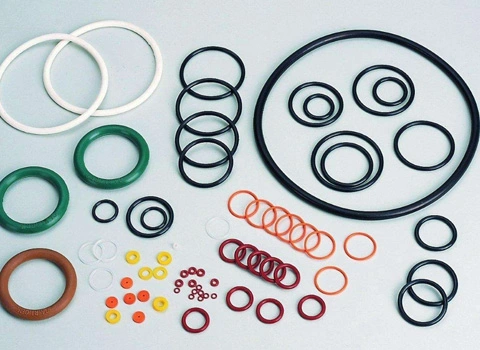
One of the most frequent uses of medical grade silicone injection molding is in the fabrication of medical device parts. Silicone's biocompatibility and flexibility make it suitable for seals, gaskets, diaphragms, valves, and tubing used in devices such as respirators, infusion pumps, and diagnostic equipment. These components must meet strict regulatory requirements and perform reliably under sterilization and continuous use conditions.

Medical grade silicone injection molding is essential for manufacturing parts intended for implantation in the human body. The molded silicone parts are used in pacemakers, catheters, drug delivery systems, and prosthetics. The process ensures the parts have the necessary softness, durability, and biocompatibility required for long-term contact with tissue and bodily fluids without causing adverse reactions.
Silicone parts produced by medical grade silicone injection molding are widely used in surgical tools and wound care products. For example, surgical drains, dressings, and sealing membranes benefit from silicone's elasticity and chemical resistance. The molding process enables consistent production of sterile, durable parts that maintain functionality in demanding surgical environments.
Beyond clinical settings, medical grade silicone injection molding is applied in manufacturing consumer healthcare items such as baby bottle nipples, pacifiers, and wearable health monitors. The safety, softness, and hypoallergenic nature of medical-grade silicone ensure these products are gentle on the skin and safe for everyday use.
In conclusion, medical grade silicone injection molding serves diverse and critical roles across the medical industry. From implantables and surgical supplies to consumer healthcare, its ability to deliver precise, durable, and biocompatible components makes it indispensable in improving patient outcomes and product reliability.

Contact Us

 English
  日本語
日本語  Deutsch
  Español