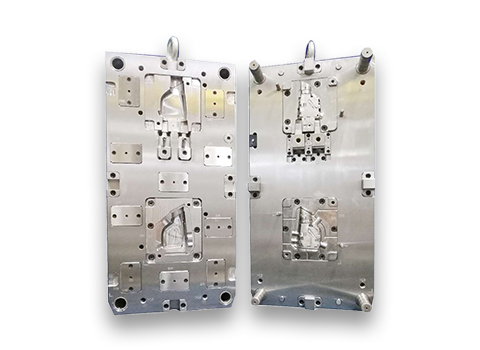
In high-volume injection molding, efficiency, consistency, and cost-effectiveness are critical. Multi cavity mold design is a widely adopted solution that allows manufacturers to produce multiple identical parts within a single molding cycle. This article explores the key advantages of multi cavity mold design and why it plays an essential role in modern plastic and rubber component manufacturing.
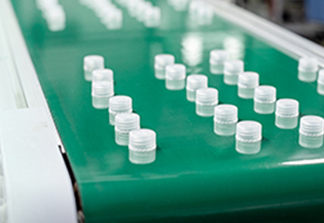
One of the primary benefits of multi cavity mold design is the significant increase in output per cycle. By incorporating multiple cavities into one mold, manufacturers can produce several parts simultaneously, reducing the cycle time per part and increasing overall productivity. This is especially valuable in mass production environments where demand is high and time-to-market is critical.
Although the initial tooling cost for a multi cavity mold design is higher than a single cavity mold, the long-term cost savings are substantial. Producing more parts per cycle means lower labor, machine, and energy costs per unit. As a result, the per-part manufacturing cost decreases significantly over time, improving return on investment (ROI) for high-volume production.

Multi cavity mold design ensures consistent part quality across all cavities when the mold is properly balanced and engineered. This uniformity is critical in industries such as medical, automotive, and consumer electronics, where dimensional precision and material consistency are essential. Advanced mold design techniques, such as balanced runner systems and temperature control, further enhance part uniformity.
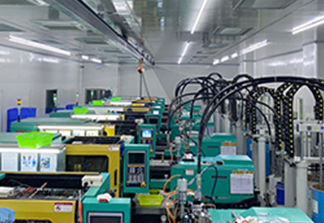
By consolidating output into fewer molding cycles, multi cavity mold design allows better utilization of machinery, labor, and floor space. This leads to leaner operations and reduced overhead. Additionally, the ability to scale up production without investing in more machines makes it an attractive option for manufacturers seeking operational efficiency.
In conclusion, multi cavity mold design offers manufacturers a competitive advantage through faster production, lower per-unit costs, consistent quality, and more efficient use of resources. For companies involved in large-scale manufacturing, investing in a well-engineered multi cavity mold design is a strategic move toward higher efficiency and profitability.

Contact Us

 English
  日本語
日本語  Deutsch
  Español