Medical grade silicone injection molding is a highly specialized manufacturing process designed to produce precision silicone components that meet stringent medical industry standards. Due to its biocompatibility, durability, and flexibility, this molding method is essential for fabricating medical devices and equipment parts. This article explores the distinctive features of medical grade silicone injection molding that make it indispensable in healthcare applications.
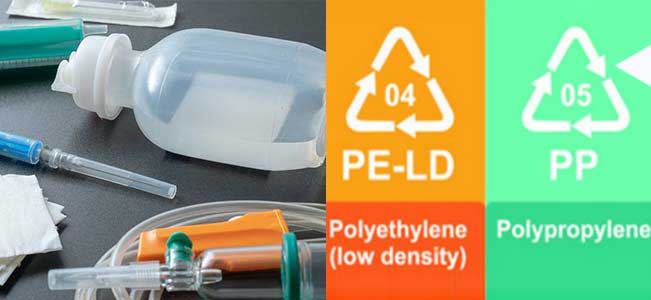
A primary characteristic of medical grade silicone injection molding is the use of silicone materials that comply with strict biocompatibility standards. These silicones are non-toxic, hypoallergenic, and resistant to bacterial growth, making them safe for direct or indirect contact with human tissue. This compliance ensures that parts manufactured through medical grade silicone injection molding meet FDA, ISO 10993, and other global medical regulations.
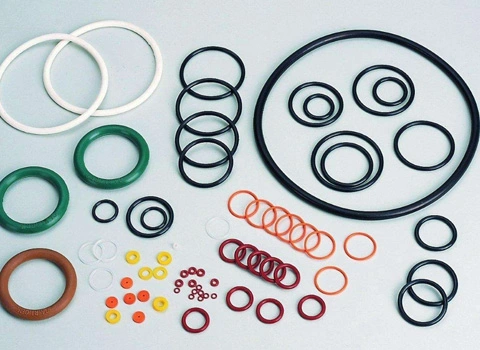
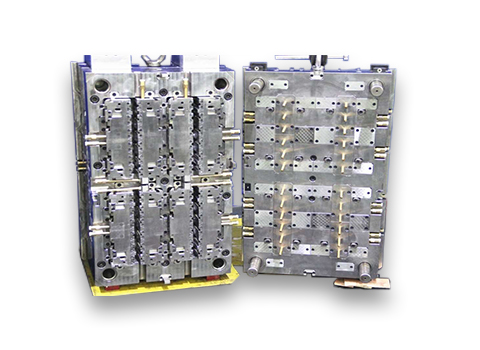
Medical grade silicone injection molding allows for the production of highly complex and precise components. The liquid silicone rubber (LSR) flows easily into intricate mold cavities, enabling the creation of parts with thin walls, undercuts, and fine details. This capability is crucial for manufacturing small, complex medical parts such as seals, diaphragms, and catheters that demand tight tolerances and flawless surface finishes.

Components made via medical grade silicone injection molding exhibit excellent mechanical strength and long-term durability. Medical silicone parts resist degradation from bodily fluids, sterilization processes (autoclaving, gamma radiation), and exposure to chemicals or temperature extremes. This makes the molded parts reliable for use in various medical environments, ensuring longevity and consistent performance.
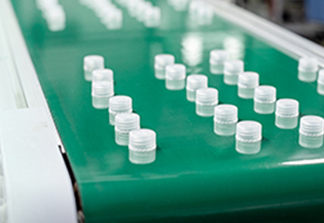
The medical grade silicone injection molding process is highly automated, offering efficient mass production with minimal waste. The rapid curing and repeatable process reduce cycle times and ensure consistent quality across large production runs. Automation also supports strict contamination control and traceability, which are essential for medical device manufacturing.
In summary, medical grade silicone injection molding combines biocompatibility, precision, durability, and production efficiency, making it the preferred method for manufacturing critical silicone parts in the medical field. Its ability to meet rigorous standards while delivering complex geometries and consistent quality positions it as a cornerstone technology in healthcare manufacturing.

Contact Us

 English
  日本語
日本語  Deutsch
  Español