Appliance rubber injection molding is a crucial manufacturing process widely used to produce durable, high-precision rubber parts for various household and industrial appliances. This guide covers essential information to help manufacturers and engineers optimize their appliance rubber injection molding processes for superior product quality and performance.
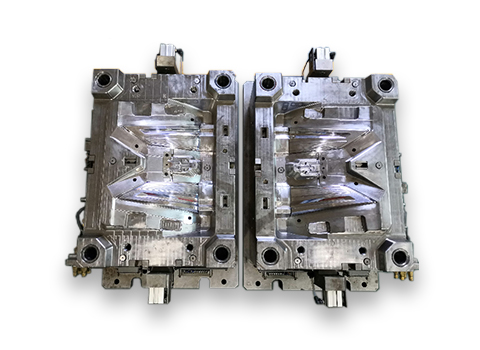
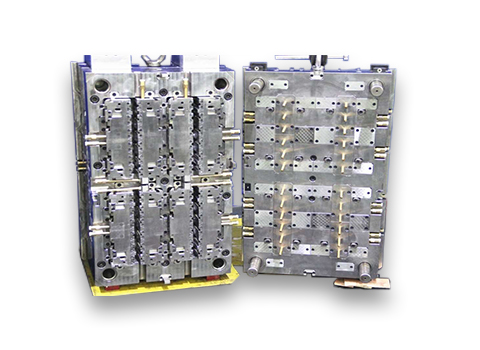
Appliance rubber injection molding involves injecting molten rubber material into a mold cavity designed to form specific shapes needed for appliance components. This process is highly favored for producing seals, gaskets, vibration dampeners, and other parts requiring flexibility, durability, and resistance to heat and chemicals. The precision and repeatability of this method make it ideal for high-volume appliance manufacturing. Furthermore, specialized appliance rubber molding ensures that these critical components maintain their structural integrity and performance even under the most demanding operating conditions.

Selecting the right rubber material is critical for ensuring the performance and longevity of the appliance parts. Common materials include:
| Material Type | Typical Applications |
|---|---|
| Silicone Rubber | Oven seals, dishwasher gaskets |
| EPDM Rubber | Washing machine seals, hoses |
| Nitrile Rubber | Rubber grommets, washers |
These materials are compatible with appliance rubber injection molding and provide tailored properties to meet specific appliance needs. As a premier rubber injection molding manufacturer, Packson utilizes these specialized compounds to ensure that every component delivers exceptional performance and long-lasting durability in demanding environments.
Using appliance rubber injection molding offers several advantages:
High Precision: Enables complex shapes with tight tolerances.
Efficiency: Fast cycle times reduce production costs.
Consistency: Ensures uniformity across large production runs.
Material Optimization: Minimizes waste through controlled injection volumes.
These benefits contribute to the reliability and quality of appliance rubber components.
To maximize the effectiveness of appliance rubber injection molding, manufacturers should follow these best practices:
Mold Design: Use well-vented molds with smooth flow paths to avoid defects.
Temperature Control: Maintain optimal mold and material temperatures to prevent curing issues.
Injection Parameters: Fine-tune pressure and speed settings based on material properties.
Quality Inspection: Implement rigorous testing for hardness, elasticity, and durability.
Adhering to these guidelines helps in achieving defect-free parts and extends the service life of appliance components.

Contact Us

 English
  日本語
日本語  Deutsch
  Español