Plastic molding is one of the most versatile manufacturing methods used today. It enables manufacturers to produce everything from simple packaging components to complex medical devices with high precision and excellent consistency. Whether you are developing a new consumer product or scaling up industrial production, understanding the molding process helps improve product quality while controlling manufacturing costs.
Choosing the right materials, designing an efficient mold, and selecting an experienced manufacturing partner are all essential for successful production. Companies like Packson support customers with customized plastic molding solutions for industries ranging from consumer electronics to healthcare.
This guide explains how to mold plastic, answers common questions such as can plastic mold and does plastic mold, and explores how multi-cavity molds and cleanroom manufacturing improve production efficiency.
Successful molding starts with selecting the appropriate plastic resin. Different materials offer unique mechanical properties, chemical resistance, and processing characteristics, making them suitable for different applications.
Material | Key Advantages | Typical Applications |
ABS | High impact resistance | Consumer electronics, appliance housings |
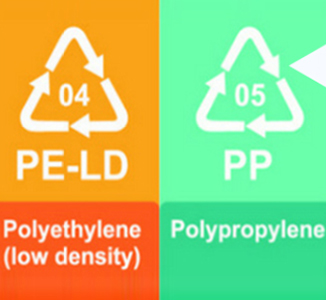
PP | Lightweight and chemical resistant | Packaging, containers |
PC | High strength and transparency | Medical devices, protective covers |
PA (Nylon) | Excellent wear resistance | Gears, mechanical parts |
POM | High dimensional stability | Precision engineering components |
Selecting the correct material also affects mold design, cycle time, and overall manufacturing cost. According to the American Chemistry Council, resin selection should consider both product performance and processing requirements.
Although different products require different tooling, the overall molding process follows several basic stages.
The first step is creating a 3D model that considers wall thickness, draft angles, ribs, and assembly features. Good product design improves manufacturability and reduces the risk of defects during production.
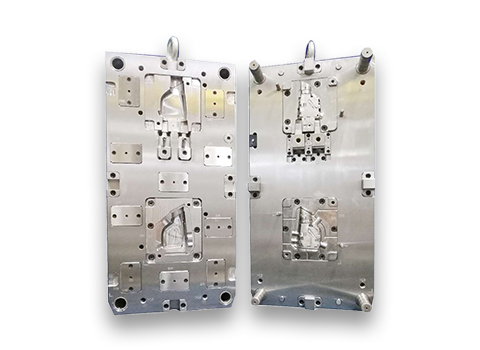
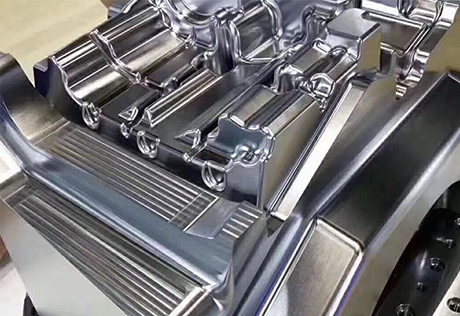
Engineers manufacture the mold using precision CNC machining, EDM, and polishing processes. The mold must provide accurate dimensions, efficient cooling, and balanced material flow to ensure consistent quality throughout production.
The chosen resin is prepared according to the product's performance requirements. Moisture-sensitive materials are dried before molding to improve surface finish and dimensional stability.
Plastic pellets are heated until molten and injected into the mold cavity under controlled pressure and temperature. Stable processing conditions help reduce defects such as flash, short shots, and sink marks.
After the cavity is completely filled, the plastic cools and solidifies. Once the part reaches the required strength, the mold opens automatically and ejector pins remove the finished component.
Quality inspections then verify dimensions, appearance, and functional requirements before the parts proceed to assembly or packaging.
The phrase "can plastic mold" often causes confusion because it has two different meanings. In manufacturing, it may refer to whether plastic can be molded into a specific shape. In everyday use, people often ask whether plastic can develop mold (fungus).
From a manufacturing perspective, most thermoplastics can be molded repeatedly under controlled temperatures and pressures, making them suitable for high-volume production.
From a biological perspective, plastic itself does not provide nutrients for mold growth because it is not an organic material. However, mold can grow on dirt, food residue, or moisture that remains on plastic surfaces. The U.S. Environmental Protection Agency (EPA) explains that controlling moisture is the most effective way to prevent mold growth on any household surface.
Plastic materials themselves generally do not become moldy over time. However, products stored in humid environments may accumulate dust, grease, or organic contaminants that allow mold to develop on the surface.
For products used in kitchens, bathrooms, hospitals, or outdoor environments, regular cleaning and proper ventilation help reduce moisture and improve long-term hygiene. Material selection is also important, especially for applications exposed to frequent washing or sterilization.
Plastic pins are widely used in electronics, automotive assemblies, medical devices, and consumer products. Although they appear simple, molding a plastic pin requires careful control of part design and tooling.
Engineers first determine the pin's diameter, length, and tolerance based on its intended function. The mold is then designed with appropriate gate locations and draft angles to ensure smooth material flow and easy part ejection. Cooling channels are optimized to minimize shrinkage and maintain dimensional accuracy.
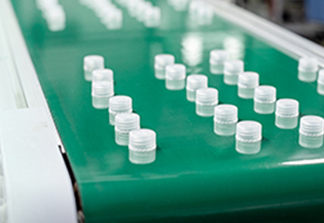
For high-volume production, manufacturers often produce plastic pins using automated injection molding systems, ensuring consistent quality and repeatability.
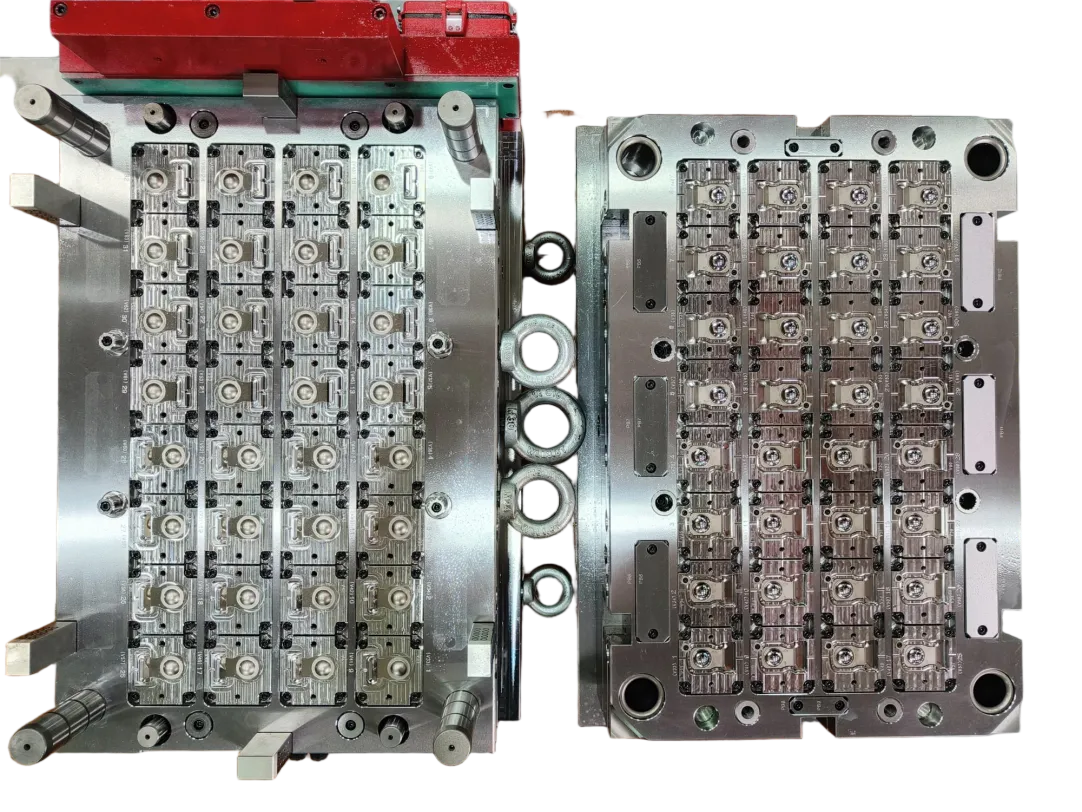
When production volumes increase, manufacturers frequently use plastic multi cavity moulds to improve productivity. A multi cavity plastic injection mold contains multiple cavities, allowing several identical parts to be produced during one molding cycle.
Number of Cavities | Typical Production Use |
1 | Prototype and low-volume production |
2–4 | Medium production runs |
8–16 | Consumer products and appliance parts |
16+ | Large-scale mass production |
Compared with single-cavity molds, multi-cavity designs offer several advantages:
Higher production efficiency
Lower manufacturing cost per part
Better machine utilization
More consistent production for large orders
However, the mold must be carefully engineered to ensure balanced filling and uniform cooling across every cavity.
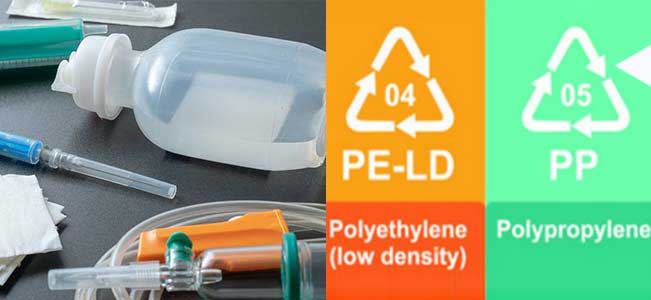
Medical products demand extremely high standards for precision, cleanliness, and material safety. Components such as diagnostic cartridges, surgical instruments, laboratory equipment, and drug delivery devices often require plastic injection molding medical processes.
Many manufacturers also provide medical plastic injection mold wholesale services for OEM customers producing disposable healthcare products.
To minimize contamination, these products are commonly manufactured in facilities using clean room plastics processing. Cleanrooms control airborne particles, temperature, and humidity to maintain a stable production environment.
The U.S. Food and Drug Administration (FDA) recommends that medical device manufacturers establish validated production processes and quality controls to ensure product safety.
Manufacturers serving healthcare markets also commonly implement quality management systems based on ISO 13485.
Understanding custom plastic molding cost helps companies make better manufacturing decisions. The total cost depends on several factors rather than material price alone.
The main cost drivers include:
Mold complexity
Product size
Plastic material selection
Production volume
Number of mold cavities
Cycle time
Secondary processing and assembly
For large production runs, investing in a multi-cavity mold usually reduces the cost per part despite the higher initial tooling investment.
According to the Plastics Industry Association, optimizing product design and selecting appropriate manufacturing processes can significantly improve production efficiency and reduce overall costs.
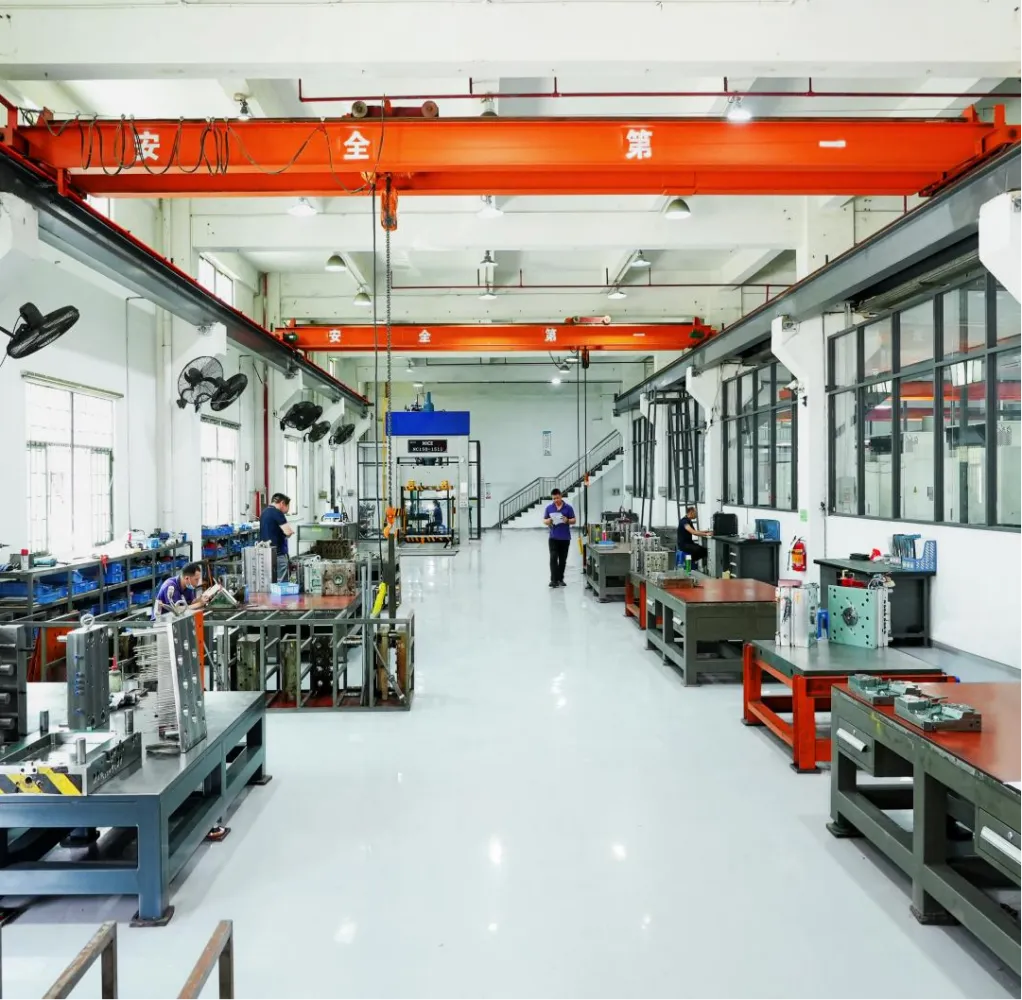
Selecting an experienced manufacturing partner is essential for achieving consistent product quality. Packson provides customized plastic injection molding solutions, precision mold manufacturing, engineering support, and project management for customers across the automotive, consumer electronics, industrial, and medical sectors.
From prototype development to mass production, experienced engineering teams help optimize mold design, improve manufacturability, and deliver reliable production performance.
Learning how to mold plastic involves much more than shaping molten material. Material selection, mold design, production efficiency, and quality control all influence the final product. Technologies such as multi cavity plastic injection mold, and precision medical molding continue to improve manufacturing performance across many industries.
By partnering with an experienced manufacturer like Packson, businesses can develop high-quality plastic components while optimizing production costs and maintaining reliable long-term manufacturing performance.
Plastic is heated until molten, injected into a precision mold, cooled, and then ejected as a finished part. The process enables high-volume production with consistent quality.
Plastic itself does not support mold growth, but mold can grow on moisture, dust, or food residue that remains on plastic surfaces.
Plastic pins are produced using precision injection molds designed with proper gate locations, cooling systems, and draft angles to maintain dimensional accuracy.
Major factors include mold complexity, production volume, material selection, cavity number, cycle time, and secondary processing.
Cleanroom manufacturing minimizes contamination, making it suitable for medical devices, laboratory equipment, and other products requiring strict hygiene standards.

Contact Us

 English
  日本語
日本語  Deutsch
  Español