When a medical component needs to remain flexible, safe, and reliable under repeated use, material selection becomes one of the most important decisions in the manufacturing process. From sealing systems in medical devices to patient-contact components, manufacturers need solutions that can deliver consistent performance while meeting strict healthcare requirements.
This demand has made medical silicone injection molding an essential technology for producing advanced medical components. By combining medical-grade silicone materials with precision molding processes, manufacturers can create parts that offer excellent elasticity, durability, chemical resistance, and long-term stability.
However, producing high-quality silicone medical components requires more than simply injecting silicone into a mold. Successful medical silicone molding depends on accurate mold design, controlled processing conditions, suitable material selection, and comprehensive quality management throughout the entire production process.
As medical devices continue to become more compact, functional, and patient-focused, the demand for reliable silicone molding solutions is increasing. Packson-Mould applies professional engineering expertise and precision manufacturing capabilities to support medical applications requiring consistent quality, accurate dimensions, and dependable performance.
Medical silicone injection molding is a specialized manufacturing process used to produce medical components from medical-grade silicone materials, especially liquid silicone rubber (LSR). During this process, silicone material is precisely injected into a custom-designed mold cavity and cured under controlled temperature conditions to form the final component.
Unlike traditional plastic injection molding, silicone molding requires specialized equipment, mold structures, and processing techniques. Silicone has unique flow characteristics, and manufacturers must carefully control material mixing, injection pressure, curing temperature, and mold design to achieve stable production results.
The flexibility and durability of silicone make it suitable for many medical applications where traditional plastics may not provide sufficient performance. Components produced through medical silicone molding can maintain their properties under repeated movement, temperature changes, sterilization processes, and long-term use.
| Manufacturing Process | Main Features | Typical Medical Applications |
|---|---|---|
| Medical Silicone Injection Molding | Uses precision molds and liquid silicone materials to produce flexible and durable components | Medical seals, valves, tubing parts, wearable healthcare products |
| Plastic Injection Molding | Uses thermoplastic materials to create rigid and high-volume components | Device housings, structural parts, disposable plastic components |
| Compression Silicone Molding | Uses heat and pressure to shape silicone materials inside molds | Larger silicone parts and simpler component designs |
The appropriate manufacturing method depends on product requirements, material characteristics, component complexity, and production goals. For flexible medical components requiring high consistency and biocompatibility, medical silicone injection molding is often the preferred solution.
Companies seeking professional silicone molding capabilities can explore Packson-Mould’s medical molding solutions and precision manufacturing capabilities for advanced healthcare applications.
Medical-grade silicone has become a preferred material in healthcare manufacturing because it combines safety, flexibility, durability, and chemical stability. These characteristics make silicone suitable for products that require reliable performance in demanding medical environments.
One of the most important advantages of medical silicone is its compatibility with medical applications. Medical-grade silicone is specifically developed to reduce the risk of adverse reactions when used in contact with the human body, making it suitable for various patient-related products.
Many medical components must withstand sterilization procedures during their service life. Silicone maintains its physical properties under challenging temperature conditions, allowing manufacturers to produce components that remain reliable after repeated sterilization cycles.
Unlike rigid plastic materials, silicone can stretch, compress, and recover its original shape. This elasticity makes it ideal for medical components such as seals, diaphragms, valves, and flexible connectors that require repeated movement.
Medical silicone provides excellent resistance to many chemicals, moisture, and environmental factors. This stability helps ensure that molded components continue to perform consistently throughout their intended application period.
Because of these advantages, medical silicone molding has become an important manufacturing solution for medical devices that require both safety and long-term reliability.
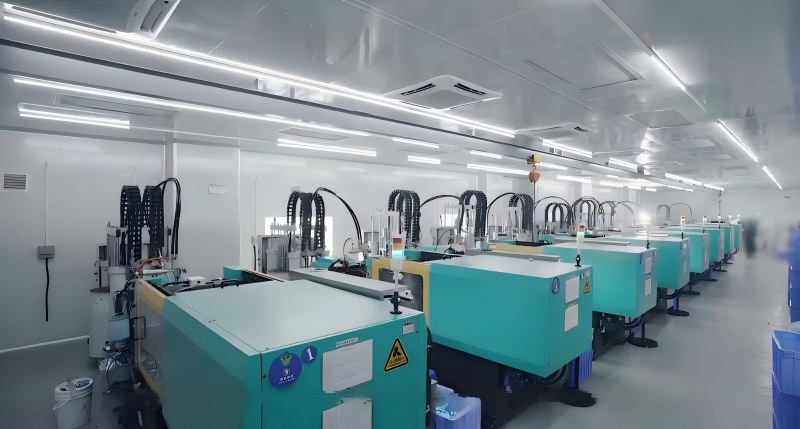
A successful medical silicone injection molding project requires careful control at every stage, from material preparation to final inspection. Each step influences the quality, performance, and consistency of the finished medical component.
Liquid silicone rubber materials must be carefully prepared before molding. In many LSR applications, two silicone components are mixed together at a controlled ratio to initiate the curing process.
Accurate material handling is essential because contamination, incorrect mixing ratios, or improper storage conditions may affect the final mechanical properties of silicone components.
The mold is one of the most critical elements in silicone component production. A high-quality medical silicone mold requires precise cavity dimensions, optimized venting systems, proper surface finishing, and durable construction.
Professional mold design helps prevent common production issues such as air trapping, incomplete filling, excessive flash, and inconsistent curing. Advanced engineering analysis before manufacturing can improve both product quality and production efficiency.
During molding, liquid silicone is injected into the mold cavity under controlled conditions. The mold temperature activates the curing reaction, allowing the silicone material to transform into a stable elastic component.
Temperature control, injection pressure, and curing time must be carefully managed to ensure consistent results. Any variation in processing conditions may influence the final dimensions and mechanical performance of molded parts.
After molding, silicone components must undergo inspection to verify dimensional accuracy, surface quality, and functional performance. Quality verification helps ensure that every component meets the required specifications before entering medical applications.
For demanding medical products, manufacturers may evaluate factors such as appearance, elasticity, dimensional consistency, cleanliness, and material performance. A complete quality control system is essential for maintaining stable results in large-scale medical silicone injection molding production.
The unique properties of silicone make it suitable for a wide range of medical applications. Its flexibility, biocompatibility, and durability allow manufacturers to develop components that require reliable performance in both disposable and reusable medical products.
Silicone seals and gaskets are widely used in medical devices because they provide excellent sealing performance while maintaining flexibility. These components help prevent leakage and ensure reliable operation in equipment that requires fluid or air control.
Silicone tubing is commonly used in healthcare applications because of its softness, chemical resistance, and ability to maintain performance under repeated use. Connectors and flexible tubing components produced through medical silicone molding are used in various medical fluid management systems.
The flexibility and skin-friendly properties of silicone make it suitable for wearable healthcare products. Components such as soft contact surfaces, protective covers, and flexible interfaces can benefit from silicone’s comfort and durability.
Many surgical and diagnostic devices require components that combine precision with reliable mechanical performance. Silicone parts produced through medical silicone injection molding can provide the required flexibility, stability, and cleanliness for these applications.
| Application Area | Why Silicone Is Suitable | Examples |
|---|---|---|
| Fluid Management Devices | Flexible, chemically stable, and reliable sealing performance | Tubing components, valves, connectors |
| Wearable Healthcare Products | Soft texture and comfortable skin contact | Wearable sensors, protective interfaces |
| Surgical Components | High elasticity and durability under repeated use | Flexible surgical accessories and seals |
| Diagnostic Equipment | Stable performance and precision molding capability | Device components and protective parts |
Medical manufacturing requires strict quality management because medical components directly influence product safety and performance. A reliable medical silicone injection molding process must consider material traceability, manufacturing control, inspection procedures, and regulatory expectations.
Medical-grade silicone materials are typically selected according to application requirements and relevant industry standards. Manufacturers must ensure that materials, processes, and finished components meet the necessary quality expectations for their intended use.
Important considerations in medical silicone production include biocompatibility evaluation, cleanliness control, dimensional inspection, production documentation, and process consistency. Depending on the application, manufacturers may need to follow recognized medical quality systems and testing requirements.
For example, many medical device manufacturers follow quality management principles based on international standards such as ISO 13485. Material selection and testing may also involve biocompatibility evaluations based on ISO 10993 guidelines when applicable.
Packson-Mould understands the importance of quality control in medical manufacturing. Through professional engineering processes and strict production management, Packson-Mould supports customers developing reliable silicone molding solutions for healthcare applications.
Choosing the right manufacturing partner is an important decision for companies developing silicone medical components. A qualified supplier should have not only molding capabilities but also experience with medical requirements, precision control, and production consistency.
A professional supplier should understand the unique requirements of silicone molding, including material behavior, mold design, curing control, and defect prevention. Experience with medical applications can help reduce development risks and improve product reliability.
The quality of the mold directly affects the final product performance. Manufacturers should evaluate whether a supplier has advanced mold design capabilities, precision machining technology, and effective quality inspection processes.
Medical projects require stable and traceable production processes. A reliable manufacturer should have clear quality procedures covering material management, production monitoring, inspection, and documentation.
Successful medical molding projects often require close cooperation between product designers and manufacturing engineers. Choosing a supplier that can provide technical support throughout development can improve efficiency and reduce production challenges.
Companies looking for professional support with medical silicone molding projects can contact Packson-Mould’s engineering team for silicone molding consultation and project evaluation.
Medical silicone injection molding plays an important role in modern healthcare manufacturing by providing safe, flexible, and reliable solutions for complex medical components. With excellent biocompatibility, temperature resistance, elasticity, and durability, medical-grade silicone continues to be a preferred material for many medical applications.
Achieving successful silicone molding results requires careful control of every stage, including material preparation, mold design, injection processing, curing, inspection, and quality management. Selecting an experienced manufacturing partner can help companies achieve consistent performance and meet demanding medical production requirements.
Packson-Mould provides precision-focused molding solutions designed to support medical manufacturing needs. Through advanced engineering capabilities and quality-driven processes, Packson-Mould helps customers develop reliable silicone components for healthcare applications.
Medical silicone injection molding is a manufacturing process that uses medical-grade silicone materials and precision molds to produce healthcare components with high flexibility, durability, and consistency.
Silicone is widely used because it offers biocompatibility, flexibility, sterilization resistance, chemical stability, and long-term reliability.
Medical silicone molding commonly uses medical-grade liquid silicone rubber (LSR) and other silicone materials designed for healthcare applications.
Key factors include material preparation, mold design, temperature control, injection parameters, curing conditions, and inspection procedures.
Applications include medical devices, diagnostic equipment, wearable healthcare products, fluid management systems, and surgical components.
A reliable manufacturer should have experience with medical applications, precision mold capabilities, quality management systems, and strong engineering support.

Contact Us

 English
  日本語
日本語  Deutsch
  Español