Medical plastic components require a much higher level of manufacturing control than many general plastic products. Parts used in medical devices, diagnostic equipment, surgical instruments, and healthcare systems must meet strict requirements for dimensional accuracy, material safety, cleanliness, and long-term reliability. Even small variations during production can affect device performance and patient safety.
This is why professional medical plastic injection molding manufacturers focus on controlling every stage of production, from raw material selection and mold development to process monitoring and final inspection. Quality is not created only during testing; it is built into the entire manufacturing workflow.
For medical device companies evaluating suppliers, understanding how manufacturers maintain consistency is essential. Experienced medical plastic injection molding companies combine engineering expertise, validated processes, advanced equipment, and strict documentation systems to produce reliable components at scale.
With experience in precision molding projects, Packson Mould supports customers requiring customized plastic components through controlled manufacturing processes designed for demanding applications.
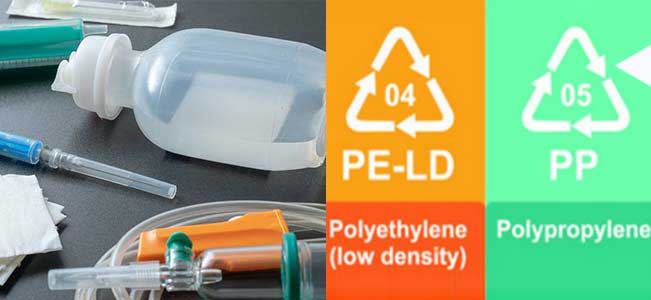
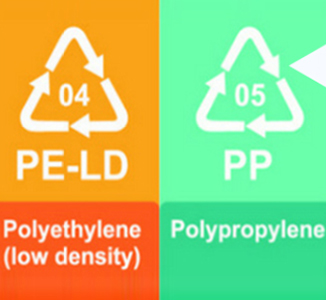
Material selection is one of the first decisions that determines the performance and reliability of medical plastic injection molded parts. Different medical applications require different material characteristics, including chemical resistance, sterilization compatibility, mechanical strength, transparency, and biocompatibility.
During medical plastic injection molding, manufacturers must evaluate whether the selected resin can maintain stable performance throughout the product’s expected service life. For example, components exposed to repeated sterilization cycles may require materials with high temperature resistance, while disposable medical products may prioritize cost efficiency and consistent processing performance.
Material quality also affects manufacturing stability. Resin with inconsistent properties can lead to variations in shrinkage, surface finish, and dimensional accuracy. Reliable suppliers typically work with approved material sources and verify incoming materials before production begins.
For medical projects, material selection is usually completed together with product designers and engineers. Factors such as part geometry, regulatory requirements, assembly methods, and end-use environment all influence the final material choice.
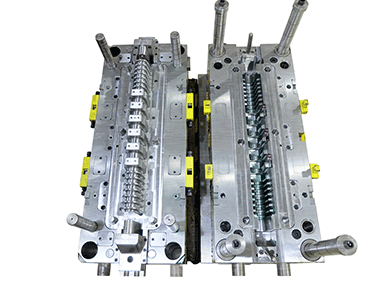
A precision mold is the foundation of stable medical plastic injection molding. Medical components often include complex structures, tight tolerances, thin walls, and functional features that require extremely consistent replication during high-volume production.
Poor mold design can create problems such as uneven filling, warping, dimensional variation, or surface defects. To prevent these issues, experienced manufacturers analyze factors such as gate location, cooling channels, material flow, and part ejection before tooling production.
Mold validation is equally important because it confirms that the tooling can repeatedly produce parts that meet specified requirements. Instead of relying only on trial production, manufacturers use validation procedures to verify mold performance and establish stable production conditions.
Professional medical plastic injection molding companies usually conduct engineering reviews before mass production. These reviews help identify potential risks related to product design, manufacturing efficiency, and quality requirements at an early stage.
Packson Mould provides customized molding solutions for different plastic component requirements. Customers can review available manufacturing capabilities and product solutions through the products and molding solutions page.
Consistent production depends on controlling key injection molding parameters throughout the manufacturing cycle. Even when the material and mold are properly selected, uncontrolled processing conditions can cause quality fluctuations.
During medical plastic injection molding, manufacturers carefully manage factors such as injection pressure, filling speed, mold temperature, cooling time, and holding pressure. These parameters influence important characteristics including part dimensions, mechanical strength, surface quality, and repeatability.
Modern injection molding equipment allows manufacturers to monitor production conditions and identify changes that may affect product quality. Process monitoring helps reduce unexpected variation and improves consistency during large-volume manufacturing.
A qualified supplier does not simply adjust machine settings after defects appear. Instead, experienced engineering teams establish optimized processing conditions through testing, validation, and continuous monitoring.
| Quality Control Area | Main Purpose | Potential Risk Without Control | Manufacturing Approach |
|---|---|---|---|
| Material Management | Ensure stable resin performance | Variation in strength, appearance, or dimensions | Material verification and controlled storage |
| Mold Design and Validation | Achieve repeatable part production | Warping, defects, inconsistent tolerances | Engineering review and mold testing |
| Process Control | Maintain stable molding conditions | Production variation and higher rejection rates | Parameter monitoring and optimization |
| Inspection and Documentation | Verify product reliability | Quality issues reaching customers | Testing records and traceability systems |
Quality inspection ensures that medical plastic components meet design specifications before they are delivered to customers. Because medical products often have strict performance requirements, inspection usually covers both appearance and functional characteristics.
Dimensional inspection is commonly used to verify critical measurements and tolerances. Manufacturers may use precision measuring equipment to confirm that molded parts match engineering drawings and maintain consistency between production batches.
Visual inspection is also important for identifying surface issues such as scratches, contamination, sink marks, incomplete filling, or discoloration. For medical applications where appearance and cleanliness matter, even minor defects may require investigation.
Depending on product requirements, additional testing may include mechanical performance checks, assembly verification, leak testing, or material-related evaluations.
Reliable medical plastic injection molding companies establish inspection procedures based on customer specifications and industry requirements rather than applying a one-size-fits-all approach.
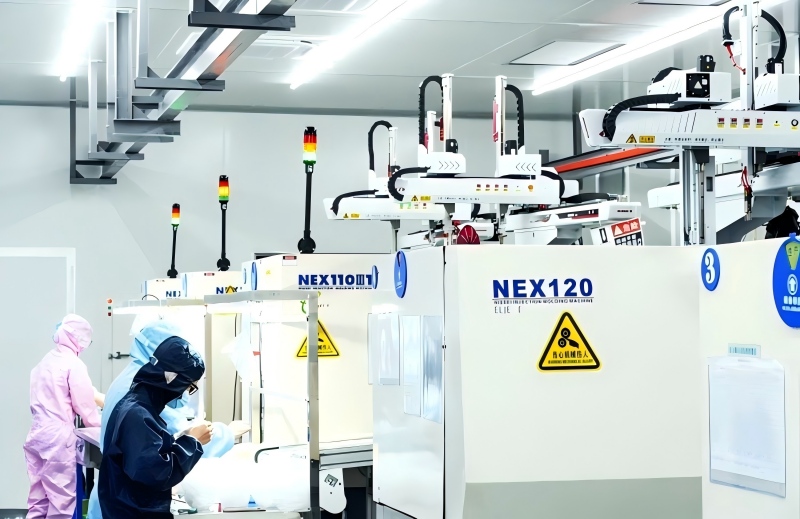
Many medical plastic components require manufacturing environments with strict cleanliness control. Contamination from dust, particles, or improper handling can affect product performance and make components unsuitable for medical applications.
Cleanroom manufacturing helps control environmental conditions during molding, assembly, and inspection. Temperature, humidity, airflow, personnel procedures, and equipment cleanliness are carefully managed to reduce contamination risks.
For medical products that contact patients or sensitive equipment, contamination control is especially important. A controlled manufacturing environment supports more consistent product quality and helps manufacturers meet customer expectations for reliable medical components.
When selecting a supplier, buyers should consider not only molding capability but also whether the manufacturer has suitable production environments and quality management practices for their application.
Documentation and traceability are essential parts of professional medical plastic injection molding. Medical manufacturers need clear production records to understand how components were produced, inspected, and approved.
Traceability systems allow manufacturers to track important information such as material batches, production parameters, inspection results, and manufacturing dates. This information helps identify potential issues quickly and supports continuous improvement.
For medical device companies, strong documentation provides confidence that production processes are controlled and repeatable. It also allows suppliers and customers to communicate more effectively when reviewing quality requirements or making product improvements.
Packson Mould emphasizes controlled production processes and engineering communication to support customers developing medical plastic components. Companies looking for customized molding cooperation can contact Packson Mould’s engineering team to discuss project requirements and manufacturing solutions.
Maintaining quality and consistency in medical plastic injection molding requires more than advanced machinery. Successful production depends on the combination of suitable materials, precision mold design, validated processes, strict inspection procedures, contamination control, and complete documentation.
For companies selecting among different medical plastic injection molding companies, evaluating manufacturing capability, engineering support, and quality management systems is essential. A reliable partner should be able to support the entire product development process, from early design review to stable mass production.
Through controlled manufacturing methods and professional engineering experience, Packson Mould helps customers develop medical plastic components with consistent quality and dependable performance.
Quality control ensures that medical plastic components meet required specifications for safety, performance, cleanliness, and reliability.
Manufacturers consider factors such as biocompatibility, sterilization requirements, mechanical properties, chemical resistance, and application conditions.
Mold validation confirms that tooling can consistently produce parts with stable dimensions and reliable performance before mass production.
Injection pressure, filling speed, mold temperature, cooling time, and holding pressure all influence final part quality.
For many medical applications, controlled manufacturing environments help reduce contamination risks and improve product reliability.
Traceability allows manufacturers to track materials, production conditions, and inspection records, making quality management more effective.

Contact Us

 English
  日本語
日本語  Deutsch
  Español