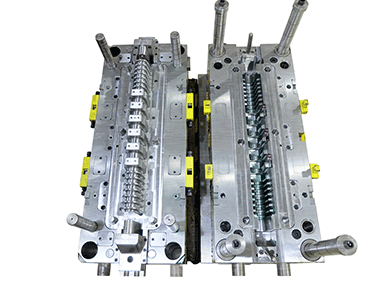
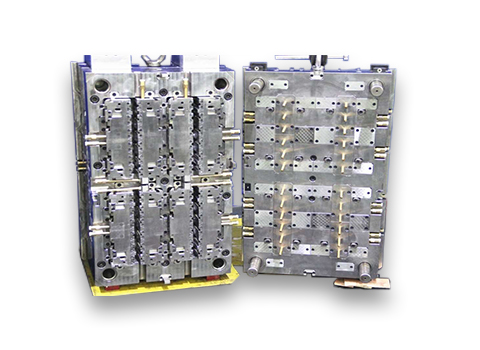
Liquid silicone rubber molded parts are widely used in medical devices, automotive components, electronics, sealing systems, and consumer products because of their excellent flexibility, chemical resistance, temperature stability, and long service life. However, during production, manufacturers may still encounter defects such as flash, bubbles, voids, and incomplete filling.
These problems are rarely caused by a single factor. In most cases, they result from the interaction between silicone material characteristics, mold design, processing parameters, and production control. Understanding these causes is important for engineers and purchasing teams because molding defects can increase scrap rates, delay delivery schedules, and affect the reliability of final products.
In professional liquid silicone rubber molding, defect prevention starts before production begins. A capable manufacturer evaluates product structure, material behavior, tooling requirements, and process settings together to create stable molding conditions. With experience in precision silicone manufacturing, Packson Mould helps customers reduce molding risks through optimized tooling and controlled liquid injection molding processes.
Flash is a thin excess layer of silicone that appears along the parting line, edges, or vent areas of a molded component. Although flash can sometimes be removed during secondary trimming, excessive flash usually indicates that the molding process or tooling design needs improvement.
During liquid silicone rubber molding, the silicone material is injected into a closed mold cavity under pressure. If the mold cannot maintain a complete seal during filling and curing, the material may escape through small gaps and create flash.
One common reason is insufficient mold clamping force. When injection pressure pushes against the mold halves, even a small separation can allow liquid silicone rubber to leak. Mold wear, inaccurate machining, or damage around the parting surface can create similar problems.
Processing conditions also influence flash formation. Excessive injection pressure, unsuitable curing settings, or incorrect material viscosity can increase the possibility of silicone overflowing into unwanted areas. For this reason, experienced manufacturers carefully balance mold precision, machine settings, and silicone characteristics rather than adjusting only one parameter.
Air bubbles and internal voids occur when gas becomes trapped inside the silicone during molding. These defects may not always be visible from the outside, but they can reduce mechanical strength, affect sealing performance, and create quality concerns in precision applications.
During liquid injection molding, silicone rubber flows through runners and gates before filling the mold cavity. If air cannot escape efficiently, it may remain trapped inside the part as the silicone cures.
Material preparation is another important factor. Liquid silicone rubber is usually supplied as a two-component system that requires accurate mixing. Poor mixing conditions or insufficient vacuum degassing may introduce air into the material before injection.
Mold venting design also has a direct impact. Properly positioned vents allow trapped air to escape while preventing silicone leakage. For complex parts with thin walls or detailed structures, vent design becomes especially important because small air pockets can easily affect the final result.
A short shot occurs when silicone does not completely fill the mold cavity, leaving an incomplete part. This defect is often found in components with complicated geometries, narrow channels, thin sections, or multiple sealing features.
One major cause is poor material flow. If the silicone viscosity is too high for the selected processing conditions, the material may not reach every area of the cavity before curing begins. Incorrect injection speed or insufficient injection volume can create the same result.
The mold structure also plays an important role. A poorly positioned gate, unbalanced runner system, or unsuitable cavity design may prevent silicone from flowing evenly. During product development, engineers usually review these factors before tooling production to avoid expensive modifications later.
A reliable liquid silicone rubber molding supplier does not simply manufacture parts after receiving a drawing. Instead, the supplier analyzes product design, material selection, and molding requirements together to identify potential filling problems before mass production.
| Defect | Main Reason | Impact on Parts | Typical Solution |
|---|---|---|---|
| Flash | Material leakage caused by mold gaps, pressure imbalance, or tooling issues | Extra material, poor appearance, additional trimming work | Improve mold accuracy and optimize molding parameters |
| Bubbles and Voids | Trapped air, insufficient degassing, or poor venting | Reduced strength and possible sealing failure | Improve material preparation and mold vent design |
| Short Shots | Incomplete filling caused by flow restrictions or incorrect settings | Incomplete products and production waste | Optimize gate design, injection conditions, and material selection |
The performance of silicone molded parts depends heavily on how the material behaves during production. Different silicone formulations have different flow characteristics, curing speeds, and temperature requirements, which means processing conditions must be adjusted according to the specific application.
Material viscosity is particularly important in liquid injection molding. Silicone that flows too slowly may cause incomplete filling, while unsuitable material behavior may increase pressure requirements and create flash risks.
The mixing ratio between silicone components, curing temperature, injection pressure, and molding cycle time must also remain consistent. Small variations can influence hardness, elasticity, surface quality, and dimensional stability.
At Packson Mould, engineering evaluation focuses on the relationship between material properties and production requirements. This approach helps customers select suitable silicone solutions instead of relying only on trial-and-error adjustments during manufacturing.
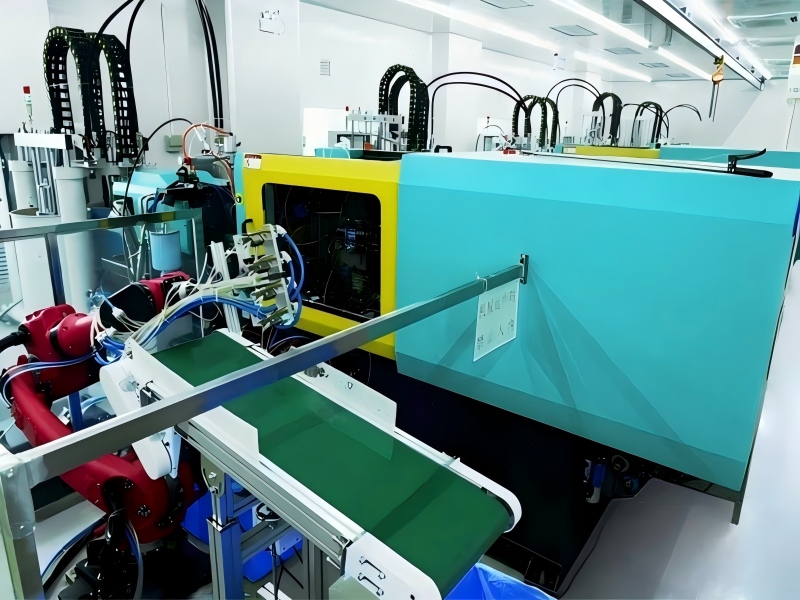
Mold design is one of the most important factors affecting the success of liquid silicone rubber molding. A well-designed mold improves filling consistency, reduces trapped air, and creates more stable production conditions.
Gate position, runner layout, vent locations, and cavity accuracy all influence how silicone moves through the mold. For example, a balanced runner system allows material to reach different areas of the cavity more evenly, while effective venting prevents pressure buildup caused by trapped air.
Precision tooling is especially important for industries requiring tight tolerances, such as medical, automotive, and electronic applications. Before production begins, engineers often review part geometry and mold structure together to identify possible risks.
Packson Mould provides customized silicone molding solutions covering different product requirements and application scenarios. Customers can review the company’s manufacturing capabilities and available solutions through the product and molding solutions page when evaluating potential production partners.
Consistent quality in silicone molding requires control throughout the entire manufacturing process. Inspection should not only focus on finished parts but also include material preparation, tooling conditions, and production parameters.
During production, manufacturers monitor key conditions such as injection pressure, temperature, curing time, and material consistency. Finished parts are then evaluated through appearance inspection, dimensional checks, and functional testing when required.
For companies sourcing silicone components, quality management capability is an important factor when selecting a supplier. A manufacturer with strong process control can help reduce unexpected defects and maintain stable production performance during large-volume manufacturing.
If you are developing a new silicone component or need support with a customized molding project, you can contact Packson Mould’s engineering team to discuss material selection, tooling requirements, and production solutions.
Flash, bubbles, and short shots are common challenges in liquid silicone rubber molding, but they can usually be prevented through better engineering planning, precise mold design, suitable material selection, and strict process control.
For buyers searching for a reliable silicone molding partner, understanding defect causes helps make better supplier decisions. A professional manufacturer should provide not only production capability but also engineering support during design optimization and manufacturing preparation.
With experience in precision tooling and liquid injection molding, Packson Mould helps customers develop silicone components with improved consistency, reliability, and production efficiency.
Flash usually occurs because silicone escapes from the mold due to insufficient clamping force, mold gaps, excessive pressure, or tooling accuracy issues.
Bubbles can be reduced by improving material mixing, using vacuum degassing, optimizing injection conditions, and designing proper mold vents.
Short shots happen when silicone cannot fully fill the cavity because of poor material flow, unsuitable injection settings, or mold design limitations.
Yes. Gate layout, runner balance, venting, and mold precision directly affect filling performance and defect prevention.
Important parameters include material ratio, temperature, injection pressure, filling speed, and curing time.
Buyers should evaluate tooling capability, engineering support, production experience, quality control systems, and customization ability.

Contact Us

 English
  日本語
日本語  Deutsch
  Español