Modern manufacturing relies on precision molds to produce millions of consistent, high-quality components every year. From consumer electronics and home appliances to automotive, medical, and agricultural equipment, different products require different mold technologies to achieve the best balance of quality, efficiency, and production cost.
As product structures become more complex, manufacturers increasingly choose specialized mold solutions such as multi-cavity molds, 2K moulding, and Liquid Silicone Rubber (LSR) molds instead of traditional single-material molds. Selecting the right mold type can improve production efficiency, reduce material waste, and enhance product performance.
As an experienced mold manufacturer, Packson Mold develops customized mold solutions for customers across multiple industries, helping transform product concepts into reliable mass production.
Not every product can be manufactured using the same mold design. Factors such as product geometry, production volume, material selection, and functional requirements determine which mold technology should be used.
Some molds prioritize production speed, while others focus on combining multiple materials or producing highly flexible silicone components. Understanding these differences helps manufacturers choose the most suitable solution for their applications.
According to European Plastics Converters (EuPC), selecting the appropriate manufacturing technology is essential for improving production efficiency, product quality, and long-term sustainability.
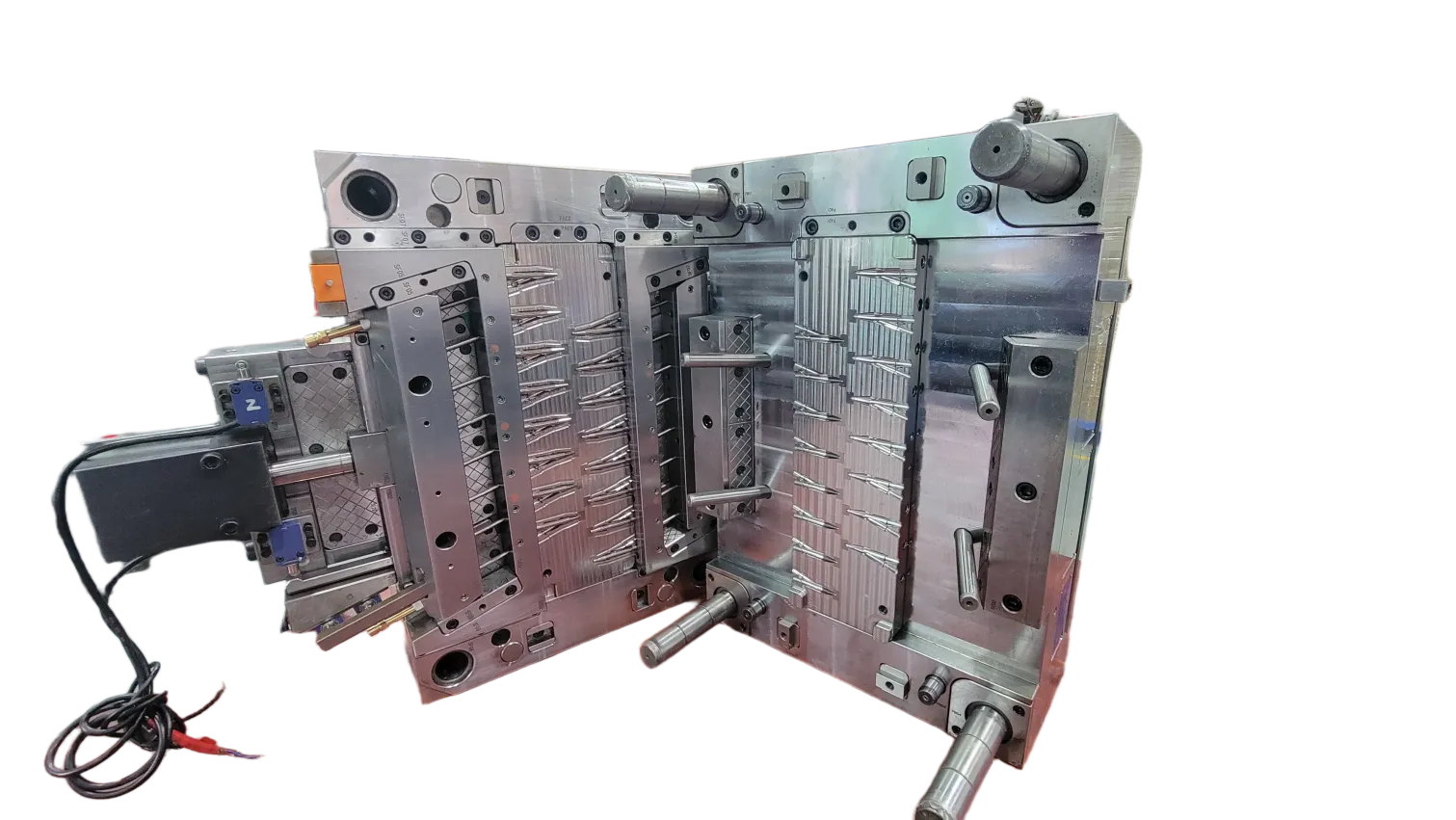
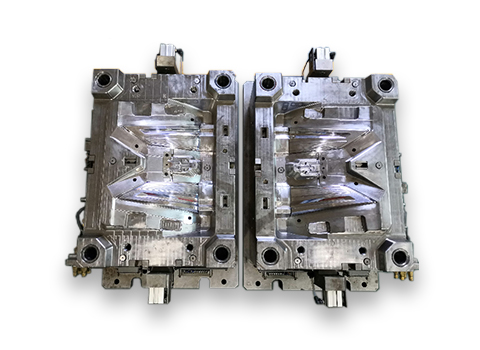
Plastic injection molds remain the foundation of modern manufacturing. They are designed to produce precise plastic components with excellent repeatability and dimensional accuracy.
Typical applications include:
Consumer electronics
Household appliances
Automotive interior parts
Industrial equipment
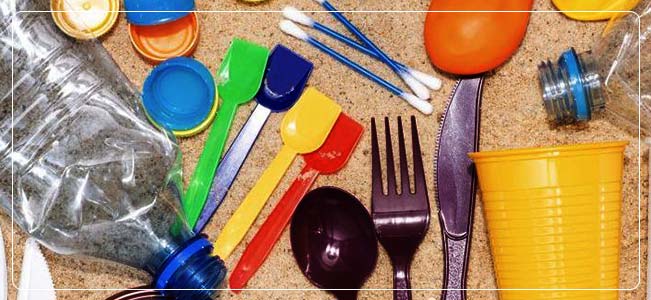
Packaging products
A well-designed injection mold not only improves product quality but also shortens production cycles and reduces maintenance costs throughout its service life.
For projects requiring long-term production, mold design often incorporates optimized cooling channels, balanced runners, and durable tool steel to ensure consistent performance.
When manufacturers need to produce thousands or even millions of identical components, a multi-cavity mold becomes an efficient solution.
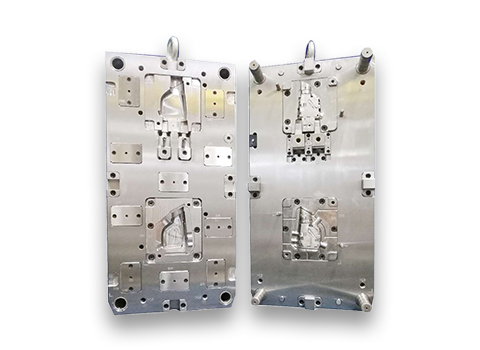
Unlike a single-cavity mold, a multi cavity injection mold contains multiple cavities that manufacture several parts during one molding cycle. This significantly increases production output while reducing the manufacturing cost per component.
Professional multi cavity mold manufacturers carefully design runner systems to ensure every cavity fills evenly, maintaining consistent dimensions and product quality.
Mold Type | Best Application | Main Advantage |
Single-Cavity Mold | Prototype and low-volume production | Lower tooling investment |
2–4 Cavity Mold | Medium production | Increased productivity |
8–16 Cavity Mold | Consumer products | Lower unit cost |
High-Cavity Mold | Large-scale manufacturing | Maximum production efficiency |
Although multi-cavity molds require higher initial tooling investment, they usually provide better long-term economic value for mass production projects.
As product designs become increasingly sophisticated, many manufacturers adopt the 2K moulding process to combine two different materials within a single production cycle.
Instead of producing two separate components and assembling them later, 2K molding injects two materials into one mold, creating a stronger bond and improving production efficiency.
Typical applications include:
Soft-touch handles
Waterproof electronic housings
Automotive interior components
Medical products
Consumer appliances
Professional 2k moulding factory facilities use specialized molding machines equipped with rotating platens or dual injection units to complete this process with high precision.
Leading 2k moulding manufacturers continue to invest in automation technologies that improve repeatability while reducing labor requirements.
According to VDMA Plastics and Rubber Machinery, multi-component molding technologies are playing an increasingly important role in advanced manufacturing because they improve product functionality while simplifying production processes.
Household appliances often require flexible rubber components capable of maintaining reliable sealing and long-term durability. Appliance rubber injection molding is commonly used to manufacture parts such as refrigerator door gaskets, washing machine seals, control buttons, vibration dampers, and waterproof connectors.
Compared with traditional compression molding, rubber injection molding offers shorter production cycles, more consistent dimensions, and better material utilization. It is particularly suitable for high-volume manufacturing where product consistency is essential.
Many modern appliance components also combine rigid plastics with elastomer materials through advanced multi-material molding technologies, further improving product performance and user experience.
Liquid Silicone Rubber has become one of the fastest-growing materials in precision manufacturing. Its flexibility, heat resistance, chemical stability, and biocompatibility make it ideal for products used in healthcare, electronics, automotive, and infant care.
The liquid silicone rubber moulding process differs from conventional plastic molding. Two liquid silicone components are mixed before entering a heated mold, where they cure into the final product. This liquid silicone rubber manufacturing process delivers excellent dimensional accuracy while producing minimal material waste.
Modern LSR processing also supports fully automated production, improving consistency and reducing labor requirements.
Common LSR products include:
Medical seals
Wearable device components
Waterproof electronic gaskets
Baby care products
Automotive sealing systems
Many manufacturers now provide custom liquid silicone rubber injection molding services for products requiring high precision and excellent durability. These solutions rely on precision LSR mold design to ensure balanced filling and consistent curing throughout production.
The LSR injection molding process is particularly suitable for manufacturing complex LSR injection molded parts with tight tolerances. As demand for advanced silicone products grows, silicone LSR materials continue to replace conventional rubber in many industries.
According to Silicones Europe, liquid silicone rubber offers outstanding durability, temperature resistance, and long-term performance across a wide range of industrial applications.
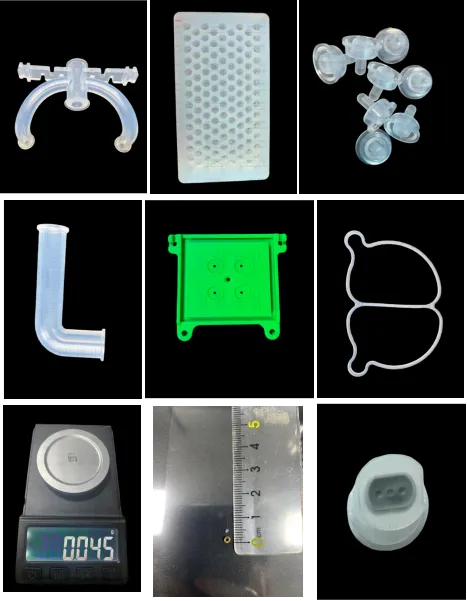
Precision molds are no longer limited to consumer products or industrial equipment. Today, moulding in agriculture plays an important role in improving farming efficiency and equipment reliability.
Injection molds are commonly used to manufacture:
Irrigation fittings
Drip connectors
Seedling trays
Greenhouse accessories
Sprayer components
Agricultural sensor housings
These products require UV resistance, weather durability, and dimensional consistency to perform reliably in outdoor environments. High-quality molds also enable manufacturers to produce lightweight plastic components that help reduce transportation costs and improve installation efficiency.
The European Commission's Plastics Strategy highlights the importance of durable and recyclable plastic products in supporting sustainable industrial and agricultural applications.
Choosing the right mold depends on several factors rather than simply selecting the most advanced technology.
Manufacturers should evaluate:
Product structure and complexity
Material type
Annual production volume
Required dimensional tolerance
Surface finish requirements
Production budget
Product life cycle
For example:
A multi-cavity mold is ideal for high-volume consumer products.
The 2K moulding process is suitable for products requiring two materials in one component.
LSR injection molding is preferred for flexible, heat-resistant, or medical-grade products.
Agricultural products often require durable plastic molds designed for long-term outdoor use.
Selecting the appropriate mold technology early in product development helps improve manufacturing efficiency and reduce overall production costs.
A successful molding project depends on more than precision machining. It requires engineering expertise, efficient project management, and reliable manufacturing support.
Packson Mold provides customized mold development for industries including consumer electronics, household appliances, automotive, healthcare, and agriculture. Its capabilities include precision plastic molds, multi-cavity tooling, 2K molding solutions, and LSR mold development.
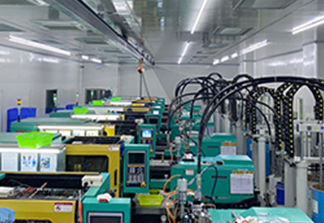
By combining advanced manufacturing equipment with experienced engineering teams, Packson Mold helps customers shorten development cycles, improve product quality, and achieve stable mass production.
Different products require different mold technologies. Whether producing high-volume consumer goods, flexible silicone components, or precision agricultural parts, selecting the right mold directly affects manufacturing efficiency, product quality, and production costs.
Technologies such as multi-cavity molds, 2K moulding, and LSR injection molding continue to expand manufacturing possibilities by improving productivity and supporting increasingly complex product designs. Working with an experienced manufacturer like Packson Mold ensures that every project benefits from precision engineering, reliable tooling, and customized production solutions.
A multi-cavity mold contains multiple cavities that produce several identical parts in one molding cycle, improving production efficiency and reducing the cost per component.
The 2K moulding process injects two different materials into one mold, allowing manufacturers to create products with improved functionality, appearance, and durability.
LSR injection molding is widely used for medical devices, baby products, wearable electronics, automotive seals, and waterproof electronic components because of silicone's flexibility and durability.
LSR processing offers excellent dimensional accuracy, automated production, chemical resistance, and long service life, making it suitable for high-performance applications.
The choice depends on product complexity, production volume, material requirements, quality standards, and overall manufacturing costs.

Contact Us

 English
  日本語
日本語  Deutsch
  Español