Injection molding is one of the most widely used manufacturing processes for producing plastic and silicone components. It combines precision, speed, and cost efficiency, making it ideal for industries such as automotive, electronics, home appliances, and healthcare. With modern automation and advanced tooling, manufacturers can produce millions of identical parts with consistent quality.
As an experienced injection mold factory, Packson provides integrated services including mold design, tooling, plastic injection molding, and silicone molding to help customers accelerate product development and mass production.
This guide explains what is injection molding, what is plastic injection molding, how does injection molding work, and how precision tooling ensures reliable manufacturing.
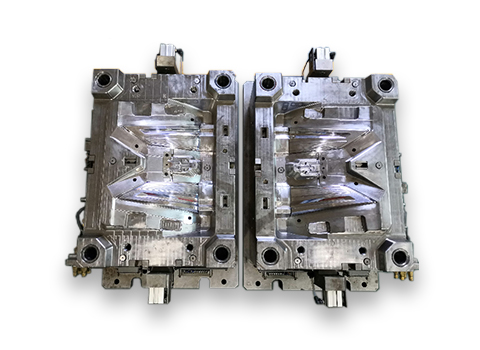
Injection molding is a manufacturing process in which molten material is injected into a precision mold cavity under high pressure. After cooling and solidifying, the mold opens, and the finished part is ejected automatically.
The process can use engineering plastics, thermoplastics, and silicone rubber, making it suitable for producing both simple and highly complex components. Because one mold can produce thousands of identical parts, injection molding is one of the most economical methods for large-scale manufacturing.
Common applications include:
Consumer electronics
Home appliances
Automotive components
Medical devices
Industrial products
Packaging
According to the Society of Plastics Engineers (SPE), injection molding remains one of the industry's most efficient production technologies for high-volume manufacturing.
Plastic injection molding specifically refers to manufacturing parts from thermoplastic or thermoset materials. Plastic pellets are heated until molten, injected into a mold, cooled, and then removed as finished products.
Compared with traditional manufacturing methods, plastic injection molding offers significant advantages.
Feature | Benefit |
High precision | Consistent dimensions |
Fast production | Suitable for mass production |
Complex designs | Supports intricate geometries |
Material flexibility | Wide range of engineering plastics |
Low unit cost | Reduced cost for large production runs |
Many businesses choose a professional China injection molding company because it can provide complete injection molding service China, including mold design, DFM analysis, tooling, molding, quality inspection, and global delivery.
Although equipment varies by application, the basic process includes six steps.
Engineers create a 3D model and optimize wall thickness, gate locations, draft angles, and cooling channels. Mold flow simulation helps identify potential defects before manufacturing begins.
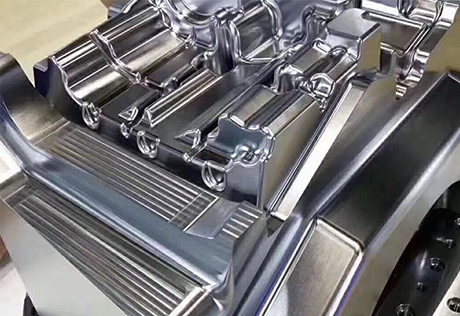
Precision molds are produced using CNC machining, EDM, wire cutting, and polishing. High-quality tooling improves product accuracy, surface finish, and mold life.
Plastic resins or silicone materials are prepared according to processing requirements. Proper material conditioning helps ensure stable molding quality and reduces production defects.
The material is melted and injected into the mold cavity under controlled pressure and temperature. Stable process parameters are essential for maintaining consistent dimensions and surface quality.
Cooling channels remove heat evenly so the material solidifies without excessive shrinkage or warpage. Efficient cooling also shortens production cycles.
The finished component is ejected automatically and inspected for dimensional accuracy, appearance, and overall quality before packaging or assembly. According to the British Plastics Federation, effective process control, proper tooling design, and quality inspection are essential for maintaining consistent injection molding performance.
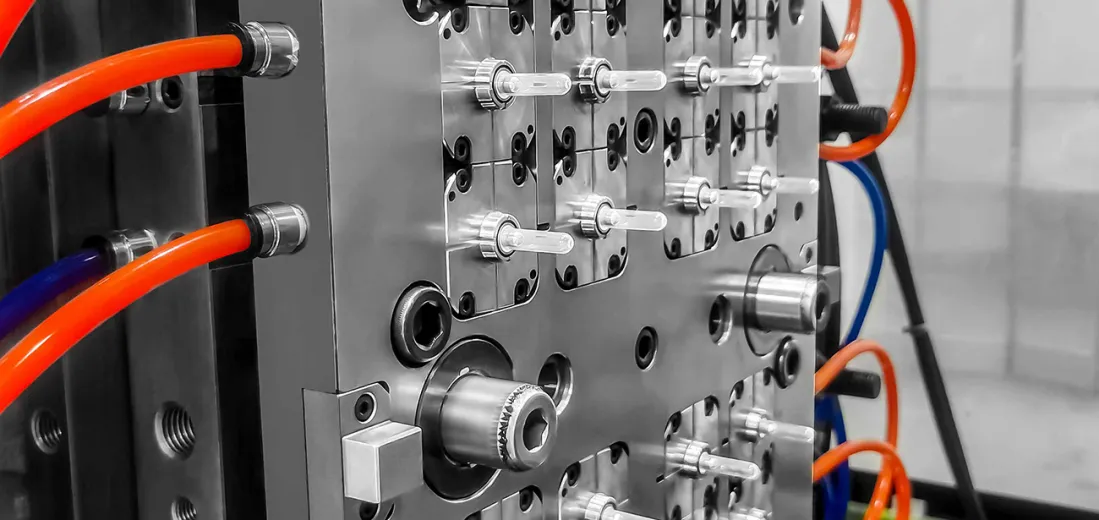
High-quality tooling is essential for successful injection molding. Manufacturers improve mold performance by selecting suitable mold steel, designing balanced gate systems, optimizing cooling channels, and ensuring effective venting. Mold flow analysis further predicts filling, cooling, and shrinkage before machining begins, helping reduce tooling modifications and improve first-pass production success.
As an experienced mold manufacturer, Packson combines precision machining with engineering expertise to deliver reliable tooling for industries requiring consistent quality and long production life.
For large-volume production, manufacturers often choose a multi cavity injection mold to increase output and reduce manufacturing costs. Unlike a single-cavity mold, a multi-cavity design produces several identical parts during one molding cycle.
A well-designed multi cavity plastic injection mold requires balanced material flow, precise cavity dimensions, and optimized runner systems to ensure every part meets the same quality standards.
Advantages include:
Higher production capacity
Lower cost per component
Better machine utilization
Shorter delivery cycles
Multi-cavity tooling is commonly used for consumer products, electronic components, appliance parts, and other applications requiring millions of identical parts.
Liquid Silicone Rubber (LSR) has become an important material for applications requiring flexibility, durability, and excellent environmental resistance.
The LSR injection molding process uses two liquid silicone components that are mixed before injection and cured inside a heated mold. Compared with traditional rubber production, LSR molding provides better precision, cleaner production, and more stable quality.
The main advantages of LSR injection molding include:
High temperature resistance
Excellent flexibility
Chemical and UV resistance
Long service life
Biocompatibility
Professional silicone injection molding companies provide solutions such as custom liquid silicone rubber injection molding and precision LSR injection mold manufacturing.
Typical applications include:
Medical seals
Baby products
Wearable devices
Automotive components
Electronic protection parts
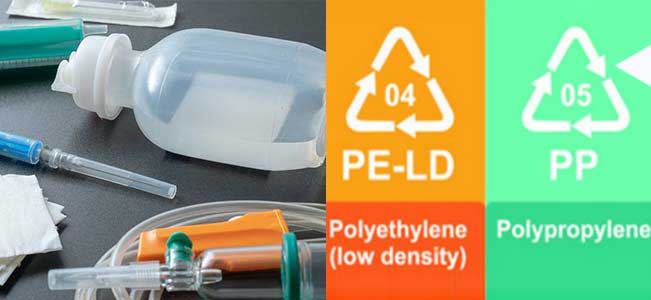
Medical manufacturing requires extremely high standards for precision, cleanliness, and material safety. Products such as diagnostic components, surgical tools, drug delivery devices, and laboratory equipment must be manufactured under carefully controlled conditions.
Professional suppliers specializing in plastic injection molding medical applications often use medical-grade materials and validated processes. For flexible medical components, medical silicone injection molding provide excellent performance and reliability.
Many healthcare products require clean room injection molding, where temperature, humidity, and airborne particles are controlled to reduce contamination risks.
For companies searching for medical plastic injection mold wholesale, choosing a supplier with advanced tooling capabilities and quality management systems is essential.
The international standard ISO 13485 provides requirements for quality management systems used by medical device manufacturers to ensure consistent product safety and regulatory compliance.
Selecting the right supplier has a direct impact on product quality, development time, and manufacturing costs.
A reliable injection mold company China should provide:
Professional mold design
DFM optimization
Precision machining
Plastic and silicone molding
Quality inspection
Production support
Global delivery services
As a professional China injection molding company, Packson provides customized manufacturing solutions covering mold development, injection molding, and LSR production. With engineering experience and advanced manufacturing capabilities, Packson helps customers create reliable products for different industries.
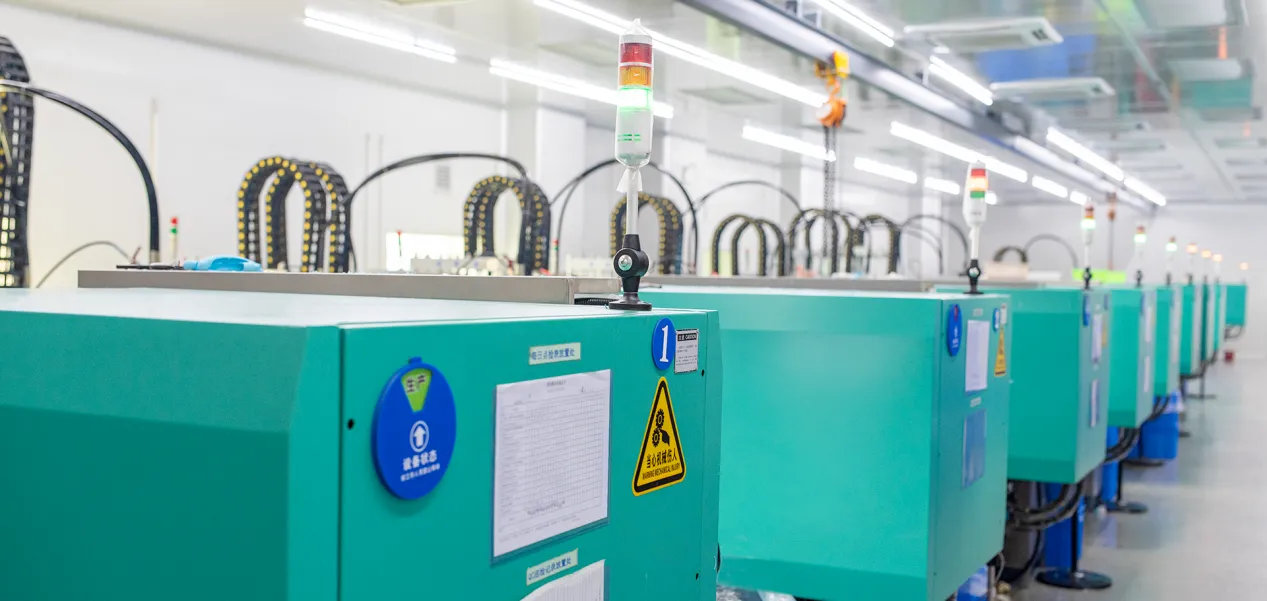
Injection molding is a powerful manufacturing technology that enables companies to produce high-quality plastic and silicone components efficiently. From appliance rubber injection molding to medical devices and industrial parts, the process supports a wide range of applications.
Successful injection molding depends on precision tooling, proper material selection, optimized processes, and experienced engineering support. Technologies such as multi cavity injection mold continue to improve modern manufacturing capabilities.
By working with an experienced partner like Packson, businesses can achieve stable production, reliable quality, and customized solutions for global markets.
Injection molding is used to produce large quantities of plastic and silicone components for industries including automotive, electronics, appliances, healthcare, and consumer products.
Plastic injection molding uses melted plastic materials, while LSR injection molding uses liquid silicone rubber cured inside heated molds. LSR is ideal for flexible and medical-grade applications.
A multi-cavity mold produces multiple parts in each cycle, improving production efficiency and reducing the cost of high-volume manufacturing.
Clean room injection molding minimizes contamination risks by controlling environmental conditions, making it suitable for medical devices and healthcare components.

Contact Us

 English
  日本語
日本語  Deutsch
  Español