Choosing a supplier for a silicone component is not simply a matter of comparing tooling quotations. The most important decisions are often made before the mold is cut. At that stage, buyers still have the opportunity to clarify the part design, material requirements, expected production volume, inspection criteria, and responsibilities if changes become necessary.
This is especially important in liquid silicone rubber molding. Unlike conventional thermoplastic injection molding, LSR involves a low-viscosity material, controlled mixing, heated tooling, curing behaviour, flash control, and part-specific demolding considerations. Small uncertainties that seem manageable during quotation can become expensive once tooling has started.
A productive supplier discussion should therefore answer a straightforward question: Does everyone agree on what must be produced, how it will be evaluated, and what happens if the first result does not meet the requirement?
The following areas deserve confirmation before approving tooling for a liquid silicone injection project.
A completed 3D model does not necessarily mean a part is ready for mold manufacturing. Before tooling begins, the supplier should review whether the geometry is suitable for repeatable molding and whether important functional requirements are clearly defined.
For liquid silicone rubber molding, this review should include wall thickness transitions, undercuts, shut-off areas, sealing features, parting-line locations, gate positions, venting requirements, draft where appropriate, and how the flexible part will be removed from the mold. Thin edges and complex sealing geometries deserve particular attention because LSR can flow into extremely small clearances.
Buyers should also identify which dimensions actually affect product performance. A drawing containing dozens of tolerances does not automatically provide useful manufacturing guidance. Critical dimensions, sealing surfaces, mating areas, cosmetic zones, and assembly interfaces should be clearly distinguished from dimensions that have little functional impact.
A useful DFM review is therefore more than a statement that a design is "moldable." It should explain where production risks exist and whether changes are recommended before steel is cut.
Before approval, buyers should confirm:
whether the latest 3D model and drawing revisions are being used;
which dimensions and features are considered critical to quality;
whether the selected parting line and gate locations are acceptable;
whether flash-sensitive and appearance-sensitive areas have been identified;
whether assembly, sealing, or functional testing requirements are known;
and whether any remaining DFM recommendations require customer approval.
If you are still comparing possible manufacturing approaches, Packson Mold's injection molding and tooling capabilities provide a useful starting point for reviewing available production options before a tooling route is finalized.
"Silicone" is not a sufficiently detailed material specification for production. Different LSR grades can vary in hardness, colour, transparency, tear behaviour, compression characteristics, regulatory status, bonding performance, and processing behaviour.
Before a liquid silicone injection mold is designed, the buyer and supplier should therefore agree on the actual material grade or, at minimum, a clearly defined performance specification.
This becomes particularly important for medical, infant-care, food-contact, electrical, automotive, and sealing applications, where material selection may affect more than mechanical performance. Buyers may need documentation relating to the material supplier, batch traceability, applicable regulatory requirements, or specific testing.
Colour also deserves early attention. If a pigment or masterbatch is required, confirm whether colour evaluation will be based on an approved physical sample, a defined colour standard, or another agreed reference. For transparent or translucent components, appearance criteria should be discussed separately because small inclusions, flow marks, contamination, or surface differences can be more visible.
Post-curing requirements should also be clarified where relevant. It should not be assumed that every LSR component requires the same secondary treatment. The decision depends on the material grade, application, specification, and validation requirements.
| Item to Confirm | Why It Matters | What the Buyer Should Approve |
|---|---|---|
| LSR grade | Affects processing and finished-part properties | Exact grade or agreed performance specification |
| Hardness | Influences flexibility, sealing and handling | Required hardness range |
| Colour or transparency | Can influence appearance acceptance | Colour reference and inspection method |
| Regulatory requirements | May affect material selection and documentation | Applicable standards or customer specifications |
| Post-curing | Can affect process flow and final requirements | Whether it is required and how it will be controlled |
| Special properties | Examples include self-bonding or electrical performance | Functional requirements before material approval |
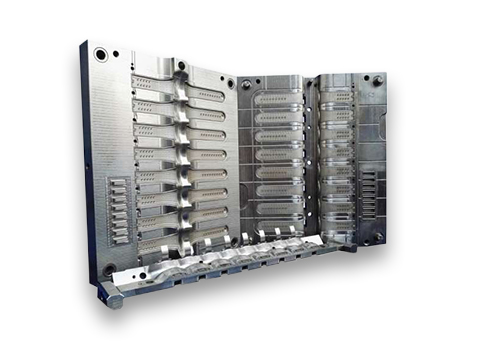
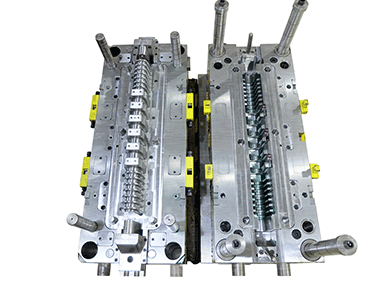
A tool should be designed for the production programme it is expected to support. A mold intended mainly for engineering verification may be structured differently from tooling expected to run repeated high-volume production.
This is why annual demand, likely batch size, programme life, required automation level, and future capacity expectations should be discussed before the liquid silicone rubber molding tool is released.
Cavity count is one of the obvious considerations, but it is not the only one. Increasing the number of cavities can improve output, yet it may also increase tooling complexity and place greater demands on filling balance, temperature management, venting, demolding, and process control. The lowest quoted piece price is not necessarily the lowest-risk tooling strategy.
The supplier should also explain the runner approach, gate concept, venting strategy, mold steel choice, surface requirements, expected automation, and how the molded part will be removed without distortion or damage.
For complex liquid silicone injection projects, buyers should ask how the tool design addresses:
balanced filling between cavities;
flash around sealing surfaces and thin edges;
air evacuation and venting;
part removal from deep or flexible geometries;
dimensional consistency between cavities;
and access for future mold maintenance.
If production demand may increase later, discuss that possibility now. It may influence whether the supplier recommends a multi-cavity tool immediately or a tooling concept that can be expanded through additional production molds later.
First samples are much easier to evaluate when the acceptance criteria have been agreed before the samples exist.
Without this agreement, the buyer may expect a fully optimized production part while the supplier considers the first trial primarily a tool-function check. That difference in expectations can create unnecessary disagreement.
Before the first trial, define what the sample submission must include. Dimensional inspection will normally focus on agreed critical characteristics rather than treating every dimension as equally important. Depending on the component, evaluation may also cover flash, gate vestige, parting-line appearance, surface quality, colour, hardness, deformation, fit, sealing, assembly performance, or other functional tests.
For multi-cavity liquid silicone rubber molding, buyers should also clarify whether measurements will identify individual cavities. A single acceptable sample does not demonstrate that every cavity produces equivalent parts.
The supplier and customer should agree on several questions:
Which dimensions require a first-article inspection?
How many samples are needed for customer evaluation?
Will samples be identified by cavity?
What cosmetic defects are acceptable or unacceptable?
Which functional tests are performed by the supplier and which by the customer?
What constitutes approval to move from sampling to production validation?
This creates an objective approval process rather than relying on comments such as "looks acceptable" or "needs improvement," which can mean different things to different teams.
Tool changes are not unusual. The important commercial question is why the change is required.
A modification caused by the mold not meeting an agreed drawing requirement is different from a modification requested because the customer's product design changed after tooling approval. Those two situations should not automatically have the same cost or schedule responsibility.
Before tooling starts, ask the liquid silicone rubber molding supplier how changes will be classified and approved.
| Typical Situation | Issue to Clarify Before Tooling |
|---|---|
| Tool does not produce an agreed specification | Who is responsible for corrective tooling work? |
| Customer changes the 3D model after approval | How will new cost and timing be quoted? |
| Material grade changes | Does the new material affect the mold or process? |
| Appearance requirement becomes stricter | Was the new requirement included in the original specification? |
| Additional features are requested | Can the existing tool be modified safely? |
| Production volume increases substantially | Is the original tooling strategy still appropriate? |
A practical change-management process should include documented revision numbers, written approval before modification, expected timing, and a clear record of whether the adjustment changes the original tooling scope.
This protects both sides. The buyer gains visibility over additional charges, while the supplier avoids responsibility for requirements that were introduced only after the original design was approved.
Successful first samples are not the end of a liquid silicone injection project. Buyers ultimately need consistent production parts, which means the discussion should extend beyond mold approval.
Ask how production capacity will be allocated, especially if volumes may fluctuate. Understand whether the proposed molding equipment and automation approach are appropriate for the expected order quantity and whether additional capacity could be made available if demand grows.
Tool maintenance deserves equal attention. Silicone molds depend on controlled sealing surfaces, gates, vents, cavities, and other precision features. Maintenance practices can therefore influence flash, dimensions, appearance, and production stability over time.
Buyers should understand who owns the tooling, where it will be stored, how routine maintenance is handled, what records are maintained, and what happens if components wear or become damaged during long-term production.
It is also useful to discuss the production documentation that will be retained after approval. Stable liquid silicone rubber molding depends on more than having a usable mold; the supplier must also reproduce the approved process consistently.
At Packson Mold, we recommend discussing these production expectations while the tooling project is still being defined rather than after the first purchase order is released. If you have a drawing, 3D model, expected volume, material requirement, or existing sample, you can discuss your LSR project with our team before committing to tooling.
The best time to reduce risk in an LSR project is before mold manufacturing begins. Buyers should not approve tooling simply because the quotation, CAD model, and delivery date appear acceptable.
A stronger approach is to confirm the manufacturing readiness of the part, material specification, tooling strategy, first-sample acceptance criteria, change responsibilities, and long-term production plan as one connected decision.
For liquid silicone rubber molding, these discussions are particularly valuable because tooling, material behaviour, flash control, curing, demolding, inspection, and production automation are closely linked. Decisions made in one area can affect several others.
A capable liquid silicone injection supplier should therefore be able to explain not only how the mold will be built, but also how the project will move from design approval to sampling and then into stable production. Buyers who establish those expectations before tooling starts are in a much stronger position to control cost, timing, quality, and future changes.
Ideally, provide the 3D model, 2D drawing, material requirement, expected production volume, colour or appearance requirements, application information, critical tolerances, and any regulatory or testing requirements. Existing samples can also help the supplier understand functional expectations.
Yes. DFM should identify potential issues involving part geometry, wall transitions, gates, parting lines, venting, flash-sensitive areas, demolding, tolerances, and other factors that could affect manufacturing. Important recommendations should be resolved before tooling approval.
Cavity count should be based on expected volume, part size and complexity, required output, tooling budget, process stability, automation, and future demand. More cavities can increase production capacity, but they can also increase tooling and process complexity.
Check the agreed critical dimensions, flash, parting lines, gate areas, surface appearance, colour, hardness where required, deformation, fit, assembly, sealing, and functional performance. For multi-cavity molds, inspection should also consider consistency between cavities.
Responsibility depends on the reason for the modification and the original commercial agreement. Corrections needed to meet an already approved specification should be distinguished from customer-requested design changes or new requirements introduced after tooling approval.
Ask about tool ownership, storage, preventive maintenance, spare components, production capacity, process documentation, quality records, repair responsibility, engineering support, and how future design or volume changes will be managed.

Contact Us

 English
  日本語
日本語  Deutsch
  Español